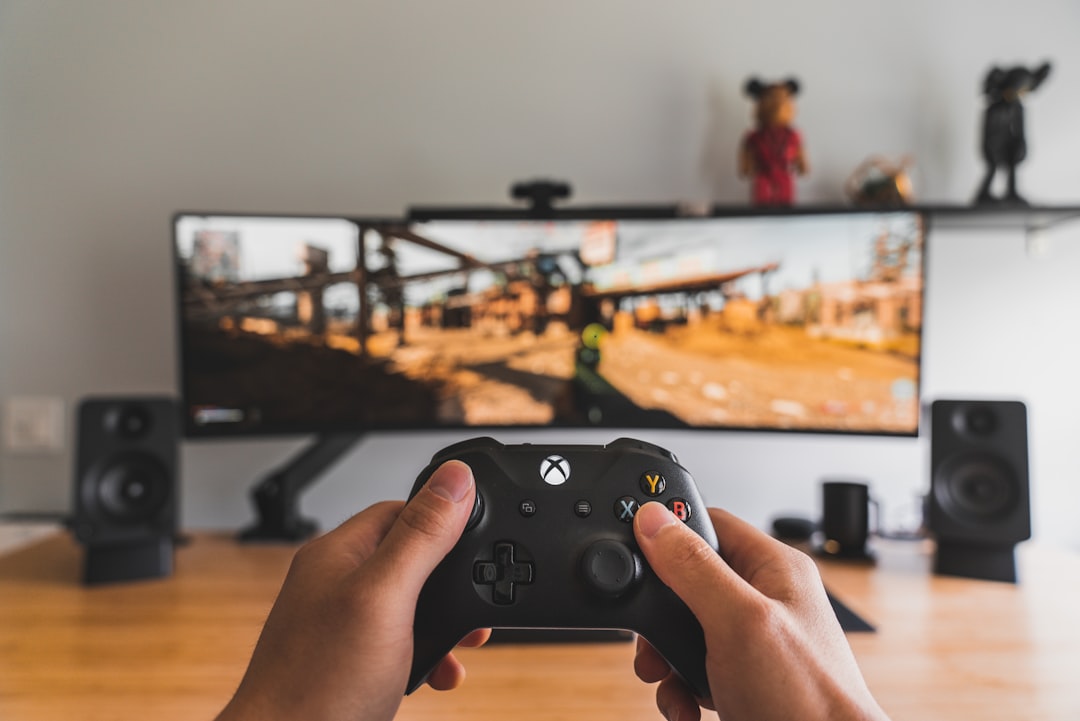
Interactive entertainment currently commands a larger share of global attention than Hollywood and the professional sports sector combined. Driven by hyper-connected multiplayer ecosystems, cross-platform mobility, and rapid technological upgrades, millions of players log online every single minute. Pinpointing the most popular games requires looking beyond simple unit sales; it demands analyzing monthly active users (MAU), concurrent peak activity, streaming viewership on platforms like Twitch and YouTube Gaming, and cultural staying power. Explore related reporting on cinematic masterpieces unforgettable for added perspective.
Today, sandbox universes and persistent virtual worlds dominate player engagement metrics. Titles like Roblox, Minecraft, and Fortnite do not function merely as software applications; they operate as social hubs where user-generated content and live digital events dictate the gaming zeitgeist. Concurrently, competitive tactical shooters and battle royales maintain multi-million player bases by pairing precise mechanical gameplay with constant balance updates. Understanding these market leaders reveals how interactive media has reshaped consumer behavior worldwide.
Featured Snippet: Quick Reference of the World's Most Popular Games
- Roblox (Roblox Corporation): Over 80 million daily active users (DAU) engaging in community-created experiences.
- Minecraft (Mojang Studios / Microsoft): Exceeds 300 million total units sold with over 140 million active monthly players.
- Fortnite (Epic Games): Retains over 100 million monthly active players across battle royale and user-generated Fortnite Creative modes.
- Counter-Strike 2 (Valve Corporation): Peak concurrent Steam users regularly exceed 1.5 million, serving as PC gaming's premier tactical shooter.
- League of Legends (Riot Games): Maintains over 130 million monthly players and sets global esports viewership records.
- PUBG Mobile & Honor of Kings (Tencent): Dominates mobile markets across Asia and Latin America with active player bases exceeding 100 million each.
As interactive hardware evolves, gaming setups increasingly intersect with modern lifestyle infrastructure. Players routinely incorporate high-speed displays, low-latency routers, and integrated smart home technology to manage lighting and ambient temperatures during extended gaming sessions. Furthermore, the narrative craft within interactive media now rivals high-end filmmaking, elevating modern visual storytelling to unprecedented heights across both PC and console platforms.
Live-Service Titans: Unpacking Concurrent Player Counts and Engagement
The live-service model has fundamentally transformed how gaming studios build, monetize, and maintain software titles. Rather than launching a finished product and moving on to subsequent projects, developers treat modern games as evolving digital service platforms. This structural shift ensures continuous cash flow through cosmetic microtransactions, seasonal battle passes, and virtual event passes, keeping player retention figures consistently high over multi-year lifecycles.
Roblox, Minecraft, and Fortnite: The Sandbox Giants
At the apex of global active player metrics sits Roblox, developed by Roblox Corporation under Chief Executive Officer David Baszucki. Roblox functions as an engine and social distribution network rather than a single standalone game. By empowering third-party developers to create immersive games inside its ecosystem, Roblox registers over 80 million daily active users worldwide. Developers inside the Roblox platform earn real-world income via Developer Exchange (DevEx), turning casual game creation into lucrative digital business operations for young creators globally.
Similarly, Mojang Studios' Minecraft, managed under Microsoft's gaming portfolio, continues its reign as the single best-selling video game in history, having crossed 300 million copies sold. Minecraft succeeds because of its endless procedural world generation and accessibility across every computing device, from low-end mobile phones to ultra-spec desktop rigs. Meanwhile, Epic Games' Fortnite maintains incredible cultural momentum under Chief Executive Officer Tim Sweeney. By combining battle royale gameplay with Fortnite Creative and Unreal Editor for Fortnite (UEFF), Epic Games continuously refreshes its world with high-profile media crossovers and virtual concerts.
Competitive Battle Royales and Tactical Shooters
Beyond creative sandbox platforms, competitive multiplayer titles command massive concurrent player footprints on Valve's Steam platform and modern console networks. Valve Corporation's release of Counter-Strike 2, built on the Source 2 engine, successfully migrated the legendary Counter-Strike: Global Offensive legacy into a modernized tech stack. CS2 regularly logs peak concurrent player counts exceeding 1.6 million on Steam, anchoring the PC competitive market.
Apex Legends by Respawn Entertainment and EA, along with Valorant by Riot Games, represent the gold standard in character-driven tactical combat. Valorant's precise gunplay and abilities ecosystem have captured millions of tactical shooter enthusiasts, supported by robust anti-cheat infrastructure and dedicated server networks. On mobile platforms, Krafton's PUBG Mobile and Tencent's Honor of Kings generate hundreds of millions of dollars annually while serving player counts in emerging markets that eclipse traditional desktop platforms.
Competitive Esports and MOBA Leaders Driving Global Viewership
Esports has evolved from niche basement tournaments into a multi-billion dollar global entertainment industry. The titles that command the highest active player bases also feed directly into professional competitive circuits, filling real-world arenas and generating broadcast viewership that rivals traditional legacy sports leagues.
League of Legends and Dota 2: The MOBA Benchmark
Riot Games' League of Legends remains the uncontested Titan of Multiplayer Online Battle Arena (MOBA) games. Under the leadership of Riot Games Chief Executive Officer A. Dylan Jadeja, the title maintains an estimated 130 to 150 million monthly active accounts. The League of Legends World Championship repeatedly breaks peak concurrency records, with international broadcasts attracting over 6 million peak concurrent viewers (excluding Chinese streaming figures). The depth of its strategic champion draft, intricate map control, and high skill ceiling ensure its position at the top of competitive gaming.
Valve's Dota 2 occupies a similarly prestigious position, famous for its intricate game mechanics and community-funded tournament prize pools via the annual International tournament. Dota 2 players demonstrate remarkable longevity, maintaining dedicated server populations across North America, Western Europe, Eastern Europe, and Southeast Asia. The commercial ecosystem surrounding these competitive titles extends beyond software, boosting hardware sales, peripheral sponsorships, and secondary digital economies.
Mobile Gaming Phenomena Across Emerging Markets
While high-end PC MOBAs capture headline esports viewership, mobile platforms deliver unmatched player reach across Asia, South America, and Africa. Tencent's Honor of Kings and Garena's Free Fire boast daily active user bases that frequently surpass 50 million players. The accessibility of high-performance smartphones has democratized access to competitive gaming, bypassing the need for expensive dedicated gaming hardware.
The global footprint of esports also fuels real-world travel and hospitality sectors. Large-scale international majors held in cities like Seoul, Katowice, Riyadh, and Los Angeles generate significant regional tourism. Fans engaging in complex international travel planning book out hotels and arenas months in advance. However, tournament organizers and traveling teams must often prepare contingencies for unforeseen travel disruptions and visa approvals when bringing elite international players together under tight production schedules.
Single-Player Marvels and RPG Breakthroughs Reshaping the Market
Although live-service multiplayer titles dominate overall time spent, single-player narrative driven games and expansive role-playing titles capture critical acclaim, premium retail revenues, and intense community passion. Recent releases demonstrate that gamers remain eager to invest upfront purchase capital into deeply immersive, story-focused single-player experiences.
Narrative Depth and Visual Storytelling Excellence
FromSoftware's Elden Ring, directed by Hidetaka Miyazaki, redefined open-world game design by trusting player curiosity rather than cluttering maps with repetitive objective markers. Having sold well over 25 million copies, Elden Ring proved that challenging, highly refined gameplay systems resonate with broad global audiences. Similarly, Larian Studios' Baldur's Gate 3, directed by Swen Vincke, demonstrated that classic turn-based tactical RPGs rooted in deep choice mechanics can win Game of the Year awards and sell millions of digital units on Steam and consoles alike.
Game Science's release of Black Myth: Wukong further highlighted the shifting global mechanics of game development. Rooted in classic Chinese mythology, the title sold over 20 million units within its first month on sale, establishing Chinese AAA development studios as major players on the international stage. These titles prove that high production values, masterful world-building, and artistic direction remain incredible drivers of player interest and commercial victory.
Cross-Platform Ecosystems and Cloud Streaming
The boundary between PC, console, and mobile gaming continues to blur thanks to advanced cross-platform account progression and cloud streaming technologies. Services like Xbox Cloud Gaming, NVIDIA GeForce NOW, and PlayStation Remote Play allow players to stream demanding graphical titles directly to portable handheld devices like the Valve Steam Deck, ASUS ROG Ally, and mobile devices.
This shift toward ubiquitous gaming access has notable implications for hardware design and power consumption. Next-generation gaming hardware prioritizes optimized thermals and high-level energy efficiency to maximize battery life and minimize system noise without compromising graphical fidelity. As silicon architectures advance, studios can deliver cinematic ray-traced visuals and complex physics simulations across smaller, highly portable form factors.
Final Thoughts
The landscape of the world's most popular games highlights a dynamic, highly competitive industry where user engagement, technical stability, and community trust determine long-term market survival. Live-service sandbox giants like Roblox, Fortnite, and Minecraft have successfully evolved into social ecosystems that transcend standard software boundaries, while competitive titles like League of Legends and Counter-Strike 2 maintain high engagement through esports structures.
Simultaneously, single-player masterpieces continue to prove that artistic vision, deep narrative craft, and mechanical precision can generate record-breaking commercial performance. As cloud infrastructure expands and hardware efficiency improves, global accessibility will only increase, allowing future groundbreaking titles to connect millions of players instantaneously across every continent.
Frequently Asked Questions
What is the most played video game in the world right now?
By total daily active users (DAU) and monthly active accounts, Roblox leads the global market with over 80 million daily active users. On PC and console, Minecraft, Fortnite, and Counter-Strike 2 regularly lead active player metrics.
How do studios measure a game's overall popularity?
Industry analysts evaluate popularity using multiple metrics: Daily Active Users (DAU), Monthly Active Users (MAU), concurrent peak player counts on platforms like Steam, total unit sales, and live-streaming viewership hours on Twitch and YouTube.
Why do live-service games dominate active player lists?
Live-service games receive continuous gameplay updates, seasonal battle passes, balance patches, and community events. This dynamic content pipeline keeps gameplay fresh and encourages players to return continuously over years rather than months.