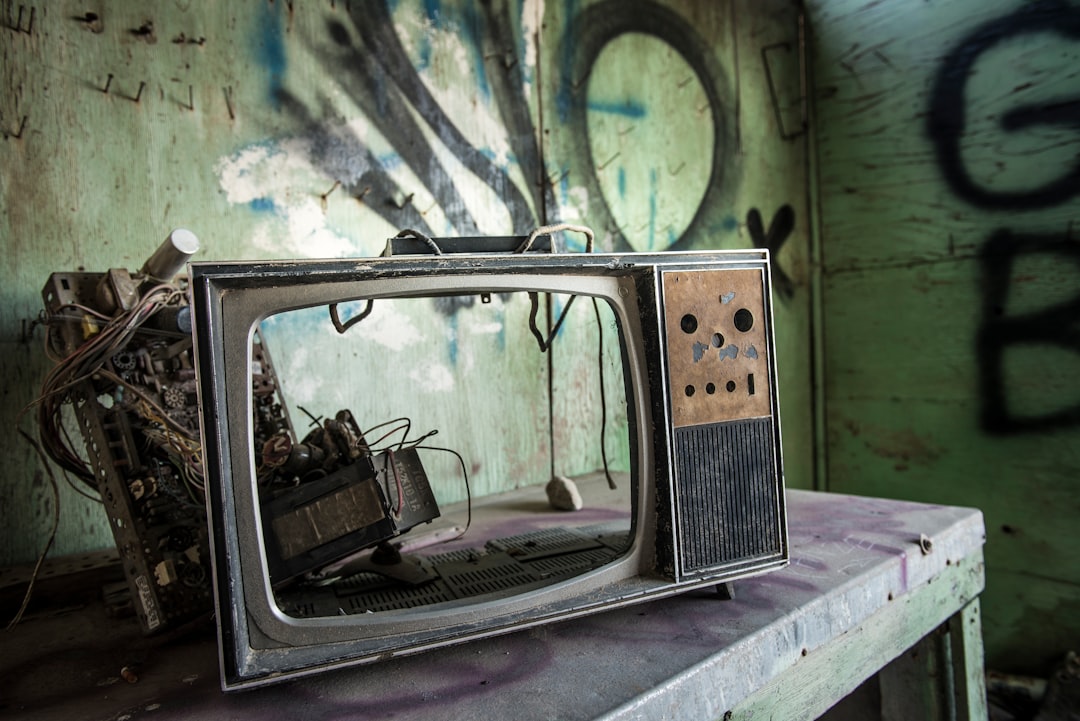
The landscape of modern screen entertainment has been fundamentally reshaped by futuristic narratives that push the outer boundaries of human imagination. Today, small screen productions rival blockbuster theatrical releases in scale, technical sophistication, and thematic depth. The vibrant genre of sci-fi television has successfully evolved from modest studio stage origins into the primary engine of global digital streaming platforms.
To fully grasp how speculative series captured the global imagination, one must examine the intersection of digital innovation, expanding production budgets, and sophisticated screenwriting. Early broadcasts relied on theatrical stagecraft and social allegory to overcome strict technical limitations. Contemporary creators now construct fully realized alien civilizations and future earth societies that earn widespread critical acclaim and command massive worldwide audiences.
This structural transformation reflects broader cultural shifts in how audiences consume media. Viewers no longer accept superficial studio backdrops or simplistic plot resolutions. Instead, modern audiences expect expansive universes governed by internal logic, distinct social hierarchies, and believable technology. Understanding this trajectory offers valuable insight into the future of cinematic storytelling across all digital platforms.
The Architecture of Worldbuilding and Practical VFX
From Cardboard Sets to Immersive Realism
During the early decades of broadcast television, speculative series operated under severe financial and mechanical constraints. Set designers built alien landscapes out of painted papier mache, styrofoam blocks, and repurposed theater curtains. Lighting setups were rigid, and prop masters routinely transformed everyday household items into futuristic gadgets. Despite these rudimentary tools, iconic early shows managed to captivate audiences by emphasizing philosophical questions, tight dramatic tension, and strong character dynamics.
Worldbuilding in this early era was achieved primarily through descriptive dialogue rather than visual evidence. Writers crafted detailed fictional histories and alien mythologies that lived in the imagination of the viewer. As broadcast hardware improved and color television became standard, physical production design was forced to evolve to maintain visual credibility.
Tactile Effects Versus CGI Integration
As production budgets increased during the late twentieth century, physical creature suits, miniature spacecraft models, and controlled pyrotechnic explosions added dynamic physical presence to speculative worlds. Audiences connected strongly with practical elements because tangible objects interact naturally with studio lighting, physical camera lenses, and real atmospheric conditions. Miniature space models possessed weight and texture that grounded fantastical space travel in tangible reality.
Modern directors continue to advocate for practical effects to preserve this essential realism. Physical prosthetics and handcrafted set pieces provide actors with immediate tangible elements to interact with during dramatic scenes. Masterful visual storytelling relies on an intentional blend of physical props on location and sophisticated digital extension in post production. When digital artist tools are used to enhance real sets rather than replace them entirely, the resulting world feels authentic, lived in, and visually stunning.
Narrative Evolution and Modern Serialized Story Arcs
Moving Beyond Episodic Reset Buttons
For several decades, network television demanded episodic structures where narrative conflicts were neatly introduced, developed, and resolved within a single forty five minute broadcast. This reset button approach was dictated by syndication requirements, as networks needed episodes to be viewable in any order. However, this model strictly limited long term character growth, eliminated permanent consequences, and prevented complex multi season worldbuilding.
The rise of premium cable networks and digital streaming services destroyed the traditional syndication model, enabling writers to embrace true serial narrative structures. Modern speculative television operates like a visual novel divided into chapters. Actions taken in season one reverberate across subsequent seasons, allowing political alliances to shift, characters to age or perish, and societal structures to crumble in real time.
Character Driven Speculative Fiction
Serialized narrative arcs empower showrunners to use speculative settings as intricate lenses for exploring real world human dynamics. Viewers now demand complex character motivations, moral gray zones, and systemic conflicts rather than simplistic battles between heroes and villains. Alien cultures are no longer simple monochrome tropes: they are written with internal political factions, historical grievances, and economic structures.
High concept speculative fiction achieves its greatest emotional impact when futuristic technology serves as a backdrop for personal human choices. Even creative teams working within grassroots indie film distribution analyze how serialized streaming shows build passionate international followings through character focus, philosophical depth, and rigorous internal logic.
Technical Innovation and the Streaming Era
Virtual Production and Real Time Rendering
The implementation of high resolution LED volume walls and real time game engine rendering has fundamentally altered small screen production pipelines. Known as virtual production, this technological leap allows film crews to shoot actors inside fully rendered digital environments live on stage. Photorealistic alien cities, desert planets, and starship interiors are projected onto massive surrounding screens that emit natural environmental lighting onto the cast and physical props.
This system eliminates many traditional green screen challenges. Directors can adjust digital skies, sun positions, and horizon lines instantaneously during filming. Actors no longer have to perform against blank green backdrops, as they can directly see and react to surrounding futuristic environments, complex computer interface displays, and ambient digital lighting in real time.
Audience Expectations in Golden Age Television
Modern global viewers expect home viewing experiences to match or exceed theatrical quality standards. High definition smart screens, high dynamic range color profiling, and spatial surround sound systems require showrunners to deliver flawless visual effects and pristine acoustic design. The line separating theatrical feature films from home television broadcasts has effectively vanished.
This surge in audience expectations has driven massive capital investment into speculative screen projects. Legendary directors, Academy Award winning cinematographers, and elite digital visual effects houses now spend years crafting episodic television projects, solidifying speculative media as the dominant narrative art form of the current digital era.
Final Thoughts
The historical journey of small screen speculative fiction demonstrates how technological breakthroughs and narrative ambition continuously elevate one another. By combining tactile physical props with real time digital environments, contemporary filmmakers create fictional universes that feel remarkably authentic. As long form serialization remains the premier structure for dramatic writing, speculative screen narratives will continue to serve as a principal medium for examining complex ethical dilemmas, technological shifts, and the endless possibilities of the human journey.
Frequently Asked Questions
How has practical VFX evolved in modern sci fi television?
Modern productions combine physical prosthetics, scale models, and practical sets with digital background extensions, allowing lighting to react naturally with real objects on camera.
What is the key difference between episodic and serialized sci fi shows?
Episodic shows reset plot lines at the end of every episode, whereas serialized shows construct continuous multi season arcs with permanent character progression and evolving political landscapes.
Why is detailed worldbuilding essential in modern speculative shows?
Detailed worldbuilding establishes clear physical rules, cultural histories, and social structures that allow global audiences to fully suspend disbelief and connect with complex storylines.
How does virtual production benefit sci fi television creators?
Virtual production projects photorealistic environments onto LED walls in real time, allowing natural lighting cast on actors while reducing reliance on green screen post production.
What drove the shift toward movie quality visual effects on home screens?
The rise of competitive streaming platforms, increased subscriber budgets, and advanced home theater hardware generated massive global demand for high quality visual storytelling.