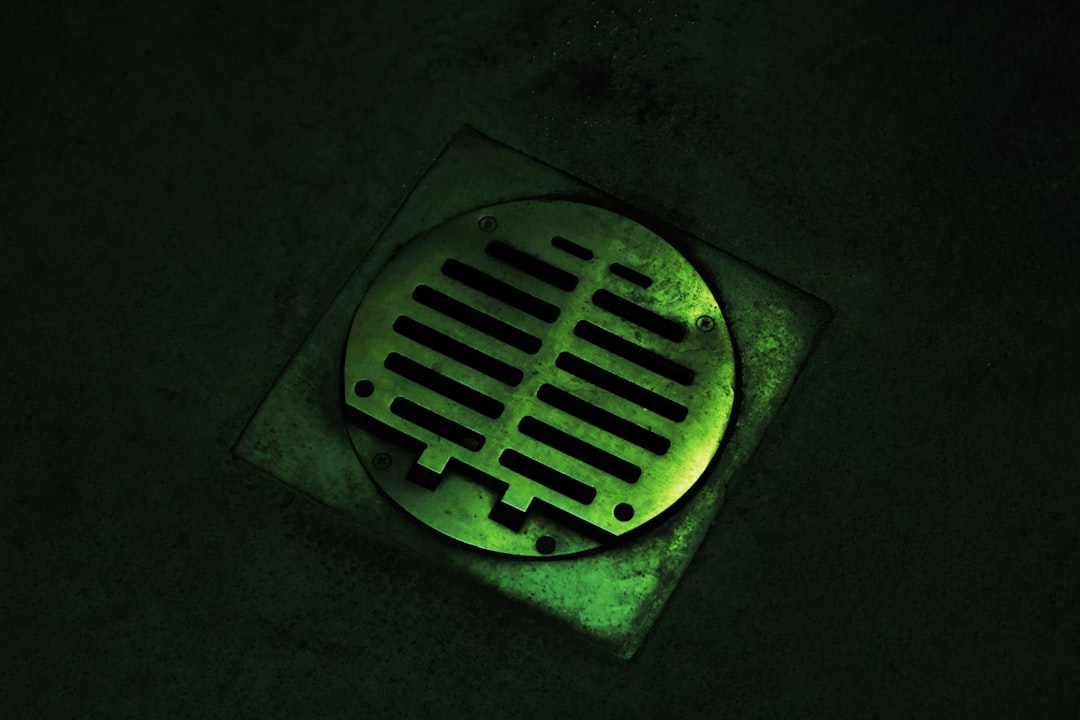
Water management forms the absolute foundation of structural integrity in modern residential architecture, protecting living spaces from catastrophic moisture damage and costly structural decay. Property owners frequently overlook the hidden complexities of a properly functioning bathroom drainage network until an unexpected slow drain, foul sewer odor, or backed up fixture disrupts daily routines. Understanding the foundational physics of fluid dynamics, gravitational slope gradients, pipe diameter sizing, and pneumatic venting mechanisms empowers homeowners to maintain resilient plumbing infrastructure across decades of continuous residential use.
When sanitary engineers design interior wastewater networks, they calculate fixture unit discharge loads to specify pipe volumes capable of handling peak simultaneous demand without hydraulic choke points. Modern wastewater systems must balance swift gravitational removal with robust air pressure regulation, ensuring that dirty water exits seamlessly while hazardous gases remain permanently isolated outside the dwelling envelope. Choosing durable piping alloys, resilient polymer fittings, and precision engineered cleanout accesses ensures exceptional sanitary hygiene and guards property valuation over generations.
Featured Snippet: What Is Bathroom Drainage?
Bathroom drainage refers to the engineered network of pipes, water seals, cleanouts, and vent conduits designed to convey graywater and blackwater away from fixtures toward the municipal sewer line or septic tank. Key components include curved P traps that prevent toxic sewer gases from entering living quarters, horizontal waste lines pitched at exact gravitational slopes, vertical soil stacks, and atmospheric vent pipes that equalize pneumatic pressure during drainage cycles.
Anatomy Of A Plumbing Waste Network
Every domestic wastewater system operates as an intricate closed loop mechanism relying entirely on natural gravitational energy and atmospheric balance. Unlike pressurized supply lines that push potable water into the home under municipal pressure, wastewater systems carry solids and liquids purely through downward pitch and kinetic momentum. Any defect in line elevation, fitting curvature, or pipe diameter creates turbulence that slows effluent velocity, precipitating sedimentation, organic sludge accumulation, and persistent blockages.
Understanding Waste Transport Mechanics
Horizontal waste piping must adhere to exacting gravitational slopes, typically established at one quarter inch of downward drop per linear foot of pipe run. If a pipe is sloped too steeply, liquid effluent rushes away too quickly, leaving heavy organic matter stranded along the dry pipe invert. Conversely, if the line lacks sufficient pitch, sluggish water velocity causes suspended soap scums, hair fibers, and mineral sediments to settle along bottom pipe walls, steadily narrowing interior pipe clearance.
The Crucial Role Of P Traps
Every residential sanitary fixture connects directly to a curved pipe geometry designated as a P trap. This fixture trap maintains a standing water barrier between two and four inches deep after every discharge. This permanent liquid barrier establishes an airtight hydraulic barrier that prevents sewer gases, airborne pathogens, and noxious volatile compounds from migrating upward out of the sewer main into living environments. Traps must remain filled with water continuously to guarantee sanitary safety across the household.
Venting Systems And Atmospheric Air Pressure
Drainage piping cannot evacuate wastewater smoothly without continuous pneumatic equalization. As a large volume of wastewater travels through a vertical stack or horizontal branch line, it creates negative pressure zones behind the fluid wavefront. Without an open vent channel extending upward through the roof line, this suction siphon draws water directly out of fixture P traps, breaking the gas seal. Dedicated atmospheric vent stacks admit fresh air continuously, equalizing interior pipe pressure and preventing hydraulic lock during rapid water discharge.
Engineering Requirements For Specific Fixtures
Each bathroom fixture presents distinct hydraulic demands, wastewater profiles, and volumetric flow rates that dictate dedicated pipe dimensions and fitting assemblies. Universal building standards specify minimum interior pipe diameters to prevent localized backpressure and maintain laminar wastewater velocity across various daily routines.
Optimizing Showers And High Flow Drain Channels
Residential shower enclosures handle significant continuous volumes of water within brief timeframes, requiring a minimum two inch waste outlet pipe to prevent standing pools on shower pans. Modern curbless and zero threshold shower designs increasingly incorporate linear channel drains. These architectural installations feature elongated collection troughs and perimeter subfloor waterproofing membranes that collect wide sheets of water swiftly, minimizing water buildup and safeguarding subfloor joists against subtle seepage.
Sink And Vanity Effluent Management
Vanity lavatories typically utilize one and one quarter inch or one and one half inch waste connections. Because bathroom sinks regularly receive viscous soap residues, shaving debris, and tooth cleansing compounds, their slip joint trap assemblies require accessible cleanout thumbscrews or slip nut fittings. Installing removable perforated basket strainers inside vanity basins prevents hair clusters from descending into the deeper wall rough in piping where clearing clogs requires specialized tools.
Toilets And High Capacity Soil Stacks
Water closets represent the largest volumetric demand within domestic plumbing, utilizing an internal siphon trapway directly molded into the porcelain body. Toilets discharge into dedicated three inch or four inch closet bends and vertical soil stacks. This heavy duty sizing accommodates high velocity bulk solids safely, ensuring rapid evacuation without contaminating adjacent fixture waste lines.
Preventative Maintenance And Troubleshooting
Implementing structured preventative care protocols preserves wastewater pipe longevity and eliminates the disruption of unexpected emergency plumbing failures. Routine maintenance keeps internal pipe walls smooth, maintains unobstructed atmospheric venting, and protects household drainage infrastructure against corrosive degradation.
Proactive Care And Routine Maintenance Protocols
Property owners should flush shower and vanity lines biweekly with hot tap water to dissolve fresh soap coatings and minor organic residues before they congeal into stubborn blockages. Placing stainless steel mesh hair catchers over all shower and tub drains captures over ninety percent of loose hair strands, dramatically reducing the frequency of physical obstructions. Avoid dumping grease, personal wipes, or fibrous hygiene products into drainage lines, as these non dispersible materials create catastrophic sewer trunk blockages.
Addressing Stubborn Blockages Safely
When fixture drainage velocity noticeably diminishes, homeowners should avoid pouring harsh caustic chemical cleaners down the drain. Liquid chemical agents generate exothermic heat reactions that soften PVC fittings, weaken glued pipe joints, and corrode aged cast iron pipes. Instead, clearing obstructions using manual drum augers, mechanical drain snakes, or bellows style plungers clears localized blockages physically without introducing chemical hazards into domestic pipes or regional waterways.
Integrating Modern Leak Detection And Smart Sensors
Advanced residential developments increasingly utilize smart home technology to monitor wastewater lines and supply valves around the clock. Ultrasonic water meters and low profile moisture detection pucks placed behind vanities and beneath raised shower pans detect micro drips instantly. When moisture registers across sensor probes, these integrated systems send instant mobile notifications and can trigger automatic main shutoff valves, neutralizing potential water damage before structural rot can compromise floor joists.
Final Thoughts
A reliable bathroom wastewater network relies on sound hydraulic physics, disciplined pipe installation, and conscientious preventative maintenance. Adhering to proper pipe sizing standards, maintaining consistent gravitational slope, and ensuring open atmospheric venting guarantees clean, odorless living spaces across the lifetime of a residence. By investing in quality materials, avoiding damaging chemical cleaners, and integrating proactive leak monitoring sensors, homeowners ensure safe hygiene, preserve structural integrity, and protect their long term real estate investment.
Frequently Asked Questions
What is the standard pipe size for a residential shower drain?
Most residential shower drains require a two inch waste pipe to handle high volume water flow efficiently without backing up.
Why do my bathroom drains produce a gurgling sound?
Gurgling sounds usually indicate a blocked vent pipe that is starving the drainage system of necessary atmospheric air pressure.
How often should I clean my bathroom sink and shower traps?
Clearing hair and debris from sink stoppers and shower strainers every month keeps wastewater flowing smoothly and prevents major clogs.
Is it safe to use chemical drain cleaners regularly?
Chemical drain cleaners generate excessive heat and corrosive reactions that weaken pipe joints, making mechanical snaking a much safer alternative.
What slope is required for horizontal waste drainage pipes?
Building codes typically mandate a downward slope of one quarter inch per foot for horizontal drainage lines to ensure proper gravitational flow.