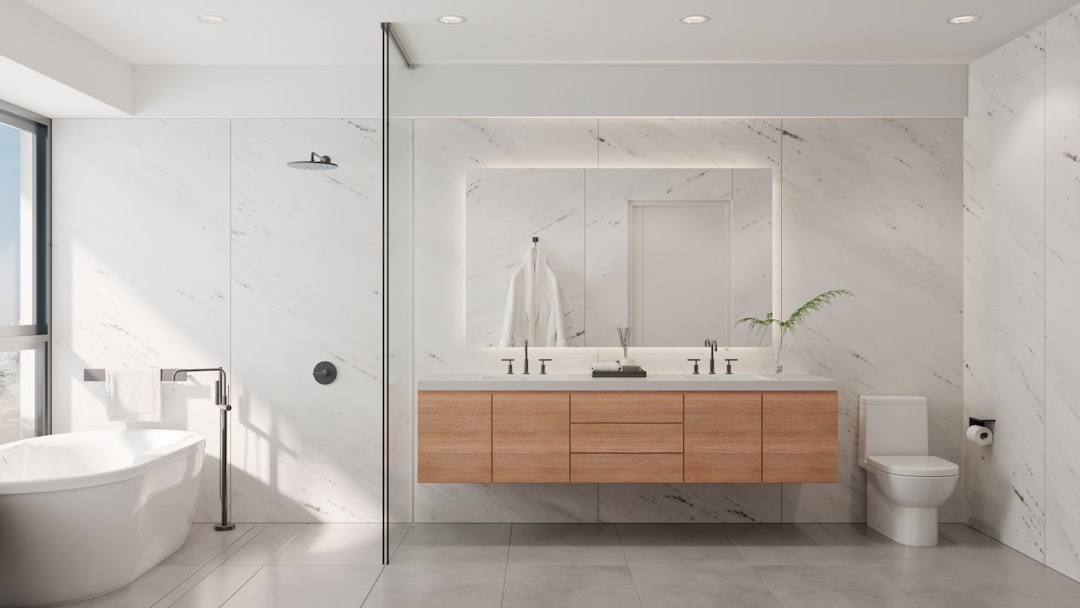
The modern bathroom has quietly evolved from a purely utilitarian washroom into one of the most vital spaces in contemporary home design. Today, homeowners view the bath as a personal sanctuary, balancing morning productivity with evening restorative wellness. This functional shift requires a deliberate blend of thoughtful space planning, ambient lighting, and intelligent plumbing hardware that operates smoothly behind the scenes to deliver an effortless daily experience. For further reference, see Wired.
Building a luxurious yet practical bathroom requires looking beyond simple aesthetic trends. High performance materials, precision moisture control, and intelligent water management now form the backbone of successful residential renovations. Whether updating a compact powder room or planning an expansive wet room, designing with long term comfort in mind transforms how we experience our living spaces every single day.
The Shift Toward Personal Wellness
As daily schedules become increasingly demanding, the primary bath provides a dedicated environment for decompression and quiet focus. Elements once reserved for boutique hotels or specialized wellness retreats, such as custom steam showers, programmable thermostatic valves, and warm tactile surfaces, are becoming standard features in modern residential updates. Homeowners are increasingly prioritizing ergonomics, sound dampening, and intuitive climate controls that make personal routines feel intentional and calming.
Smart Fixtures and Modern Water Control
Integrating smart home technology into the bath brings tangible advantages in comfort, resource monitoring, and everyday convenience. Digital shower interfaces allow users to set exact water temperatures, spray patterns, and duration settings for individual family members with a single touch, eliminating the guesswork of manual dial adjustments.
Thermostatic Valves and Precision Control
Digital thermostatic mixing valves maintain exact water temperatures regardless of pressure changes elsewhere in the home. By instantly adjusting for supply drops, these systems enhance safety while minimizing water wasted while waiting for the shower to warm up. Coupled with intelligent leak detection sensors installed at key plumbing nodes, modern installations protect structural subfloors and custom cabinetry from unexpected water damage.
Integrated Automation and Comfort Systems
Beyond water distribution, smart home technology extends into automated environmental control. Radiant floor heating systems can be synchronized with intelligent thermostats to warm stone or ceramic tile floors prior to morning alarm cycles. Anti-fog heated mirrors, dimmable LED backlight rings, and touchless motion activated faucets make daily routines fluid and hygienic. Even bidet toilet systems have advanced significantly, featuring self sterilizing UV nozzles, heated seating, and quiet air filtration systems that integrate seamlessly into modern wall mounted profiles.
- Precision Temperature Memory: Pre-set customized user profiles for water flow, temperature, and steam duration.
- Automated Leak Shut-Off: Smart valves detect unusual flow rates and automatically isolate supply lines to prevent water damage.
- Tactile Radiant Heating: Floor heating mats tied to smart schedules deliver gentle, consistent warmth underfoot.
Energy Efficiency and Sustainable Materials
Modern residential renovations place a strong emphasis on sustainability without compromising on user experience or aesthetic elegance. Adopting smart water fixtures and energy efficiency measures allows households to reduce utility costs while actively supporting the broader clean energy transition.
Eco-Friendly Water Fixtures and Thermal Recovery
High performance low flow showerheads and aerated lavatory faucets now deliver satisfying, pressurized water streams while using up to thirty percent less volume than legacy fixtures. When paired with high efficiency heat pump water heaters, these fixtures drastically curb household electrical demand. In addition, incorporating drain water heat recovery pipes captures thermal energy from outgoing shower water to preheat incoming cold water lines, maximizing overall thermal performance across the house.
Durable Materials and Moisture Management
Selecting resilient materials is essential for long term durability in high moisture environments. Non-porous engineered surfaces, porcelain slabs, and sustainably harvested teak provide durable beauty that resists staining, water rings, and mold growth. Proper air exchange is equally critical to protect these investments. Modern micro-ventilation systems equipped with relative humidity sensors operate automatically when vapor levels rise, preserving drywall and custom cabinetry without unnecessary power consumption.
- Install Low-Flow Aerators: Maintain high pressure output while significantly lowering overall gallon-per-minute consumption.
- Pair with Heat Pump Heating: Connect plumbing runs to efficient water heating equipment to lower grid power demands.
- Select Non-Porous Surfaces: Choose porcelain or quartz slabs over high-maintenance porous stone to simplify cleaning routines.
Ergonomic Layouts and Layered Lighting
Spatial organization determines how effortlessly a bathroom functions during busy morning routines. Moving away from cramped glass enclosures toward open wet room configurations creates an airy feel while simplifying maintenance and improving accessibility for household members of all age groups.
Maximizing Compact Footprints
In compact city homes or powder rooms, floating vanities, wall mounted toilets, and curbless shower entries visually enlarge the available floor area. Recessed wall niches installed between structural studs keep countertops free of clutter, maintaining clean sightlines that reinforce a serene atmosphere. Deep vanity drawers fitted with interior electrical outlets allow hair dryers and charging grooming kits to remain plugged in yet neatly hidden out of sight.
Visual Storytelling Through Lighting Design
Lighting in a thoughtfully designed bathroom requires the same attention to detail found in visual storytelling or atmospheric set production for an independent theater. Rather than relying on a single overhead fixture that casts sharp shadows across facial features, multi-layered lighting schemes balance functional task illumination with calming mood lighting. Mirror side sconces positioned at eye level cast warm, shadowless light ideal for grooming. Meanwhile, low voltage LED channel lighting tucked beneath floating cabinets and inside shower alcoves offers continuous, glare free guidance during late night hours.
Final Thoughts
Transforming a bathroom into a functional, spa-inspired retreat requires a balance of physical comfort, spatial efficiency, and reliable modern engineering. By combining intuitive smart home technology with high-efficiency water delivery and durable, non-porous materials, you create a space that enhances daily well-being while standing up to years of continuous use.
As contemporary living standards focus increasingly on sustainability and home wellness, investing in precision plumbing fixtures, intelligent climate controls, and layered illumination delivers lasting value. Whether undertaking a complete structural remodel or making targeted hardware updates, focusing on ergonomics and resource conservation ensures your bath remains a peaceful, low-maintenance sanctuary for years to come.
Frequently Asked Questions
What are the key benefits of installing a digital thermostatic shower system?
Digital thermostatic shower systems allow you to set precise water temperatures, prevent sudden temperature changes during household water use, and save water by reaching target heat quickly without waste.
How can I improve energy efficiency during a bathroom renovation?
You can boost efficiency by installing low-flow aerated fixtures, automated humidity-sensing ventilation fans, low-voltage LED channel lighting, and connecting water supply runs to high-efficiency heat pump water heaters.
What materials are best for low-maintenance bathroom surfaces?
Large-format porcelain tiles, non-porous quartz countertops, and engineered solid surfaces minimize grout lines and offer superior resistance to mold, mildew, and water staining.
Are curbless showers suitable for smaller bathroom layouts?
Yes, curbless wet-room showers eliminate visual barriers, making small bathrooms feel visibly larger, easier to clean, and fully accessible for long-term comfort.
What lighting setup is ideal for vanity mirrors and grooming?
Eye-level wall sconces mounted on either side of the mirror equipped with high CRI LED bulbs provide soft, shadow-free illumination that is optimal for daily grooming routines.