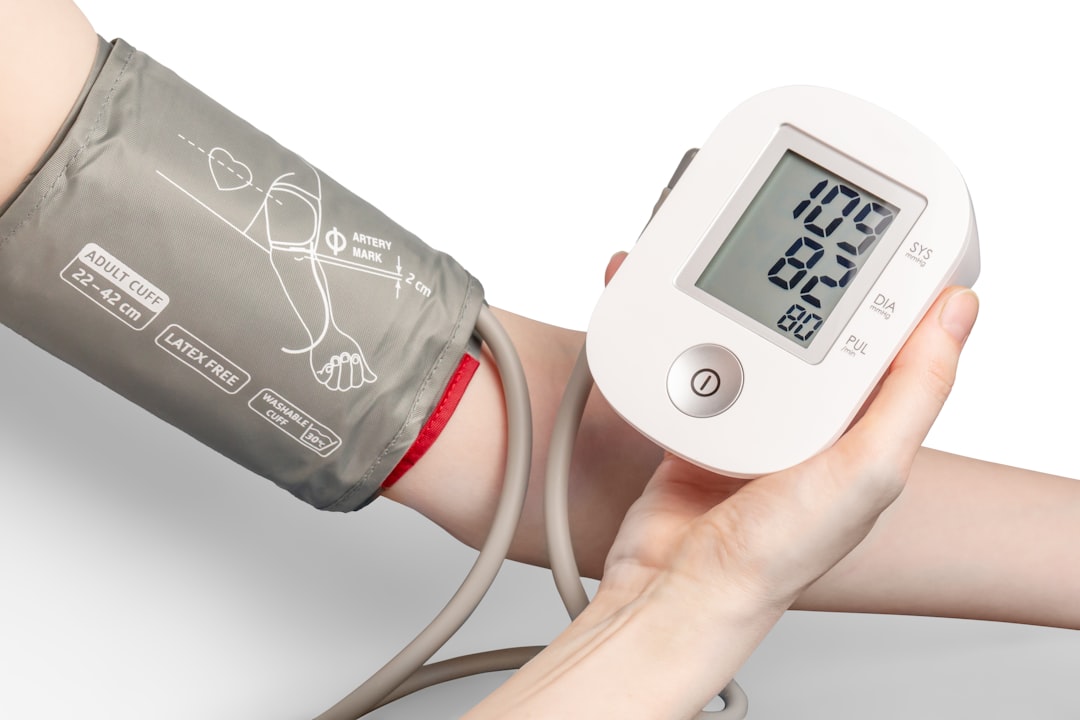
Elevated arterial pressure remains a pervasive global health challenge that affects millions of individuals across diverse demographics, prompting a significant shift toward proactive management strategies. When clinicians diagnose hypertension, the immediate prescription is often pharmaceutical intervention, yet many patients seek alternative paths to restore vascular equilibrium. Understanding how to reduce high blood pressure without medication requires a comprehensive commitment to daily behavioral adjustments, physiological self-awareness, and holistic wellness practices. By implementing targeted lifestyle changes, individuals can significantly improve their readings and long-term vitality. Maintaining optimal cardiovascular health is fundamental to longevity, reducing the risk of stroke, heart attack, and renal complications. Furthermore, recognizing unique physiological vulnerabilities, such as specific health issues affecting women, ensures that interventions are tailored for maximum efficacy and safety.
Nutritional Adjustments for Vascular Health
Dietary patterns exert a profound influence on vascular resistance and systemic blood pressure levels. Modifying daily nutritional intake forms the bedrock of non-pharmacological hypertension management.
Sodium Reduction and Potassium Balance
Sodium restriction is one of the most thoroughly researched dietary modifications for lowering systolic and diastolic pressure.
Understanding Sodium Sensitivity
Not all individuals react to dietary sodium in the exact same manner. Genetic predispositions often dictate sodium sensitivity, where high intake triggers immediate fluid retention and elevated pressure.
Practical Tips for Sodium Restriction
- Read nutritional labels diligently to identify hidden sodium sources in processed foods.
- Utilize herbs, spices, and citrus juices instead of table salt to enhance flavor.
- Limit restaurant dining where sodium content is notoriously difficult to control.
The Role of Potassium Enrichment
Potassium actively mitigates the negative effects of sodium by easing tension in blood vessel walls and promoting renal sodium excretion.
Top Potassium Rich Foods
- Bananas, avocados, and sweet potatoes.
- Leafy greens such as spinach and Swiss chard.
- Beans, lentils, and various legumes.
Embracing Specific Dietary Patterns
Structured eating frameworks provide sustainable long-term results for individuals battling chronic hypertension.
The DASH Eating Plan
The Dietary Approaches to Stop Hypertension eating plan emphasizes whole grains, fruits, vegetables, and low-fat dairy products while minimizing saturated fats and added sugars.
Core Principles of the DASH Framework
- Consuming multiple servings of produce daily.
- Choosing whole grain bread and pasta over refined alternatives.
- Incorporating lean proteins like poultry and fish.
The Power of Regular Physical Activity
Movement is medicine when it comes to strengthening the heart muscle and improving overall vascular tone.
Aerobic Exercise Regimens
Engaging in consistent aerobic activity trains the heart to pump blood more efficiently, thereby decreasing the pressure exerted on arterial walls.
Recommended Weekly Activity Durations
Health authorities universally recommend at least one hundred fifty minutes of moderate-intensity aerobic exercise per week.
Effective Aerobic Modalities
- Brisk walking or jogging in local parks.
- Swimming laps for full-body resistance and endurance.
- Cycling outdoors or on stationary equipment.
Strength Training and Flexibility
Resistance training complements aerobic workouts by building lean muscle mass and supporting metabolic health.
Safe Lifting Practices
Individuals with high blood pressure must avoid heavy isometric straining, opting instead for higher repetition exercises with moderate weights.
Incorporate Yoga and Stretching
- Practicing gentle yoga styles to reduce arterial stiffness.
- Performing daily stretching routines to alleviate physical tension.
Stress Reduction and Lifestyle Optimization
Chronic psychological stress keeps the sympathetic nervous system in a constant state of hyperarousal, leading to sustained vascular constriction and elevated pressure.
Mindfulness and Meditation Practices
Integrating mindfulness techniques into daily routines helps regulate autonomic nervous system responses and lowers stress hormones like cortisol.
Deep Breathing Protocols
Controlled breathing exercises stimulate the vagus nerve, which naturally slows heart rate and promotes vasodilation.
The Box Breathing Technique
- Inhale slowly through the nose for a count of four.
- Hold the breath comfortably for a count of four.
- Exhale completely through the mouth for a count of four.
- Hold the empty lungs for a count of four and repeat.
Sleep Hygiene and Weight Management
Restorative sleep and maintaining an optimal body mass index are critical pillars for long-term blood pressure control.
Addressing Sleep Apnea
Obstructive sleep apnea causes repeated nocturnal oxygen drops that surge blood pressure overnight.
Key Sleep Hygiene Habits
- Maintain a consistent sleep and wake schedule every day.
- Ensure the bedroom is dark, quiet, and cool.
- Avoid caffeine and heavy meals close to bedtime.
Final Thoughts
Lowering blood pressure without pharmaceutical intervention is an achievable goal that demands consistency, patience, and a multi-faceted approach. By embracing wholesome nutrition, regular physical exertion, and diligent stress reduction, individuals can reclaim control over their vascular vitality. Always collaborate closely with qualified medical professionals to monitor your progress and ensure safe, sustainable health outcomes.
Frequently Asked Questions
How long does it take to lower blood pressure naturally?
Significant improvements can often be noticed within two to eight weeks of adopting consistent lifestyle changes such as sodium reduction, regular aerobic exercise, and stress management.
Can drinking water help lower high blood pressure?
Staying properly hydrated prevents dehydration, which can cause blood vessels to constrict and blood pressure to rise. Adequate water intake supports overall circulatory function.
Are supplements effective for reducing blood pressure?
Certain supplements like magnesium, omega-3 fatty acids, and coenzyme Q10 may support healthy blood pressure levels, but they should always be discussed with a doctor before use.
Does coffee consumption raise blood pressure permanently?
Caffeine can cause a temporary, sharp spike in blood pressure, though this effect varies widely among individuals. Habitual coffee drinkers often develop a tolerance to this response.
When is medication necessary despite lifestyle changes?
Medication becomes necessary if lifestyle interventions fail to bring blood pressure below target thresholds after a reasonable trial period, or if the patient has stage two hypertension with high cardiovascular risk.