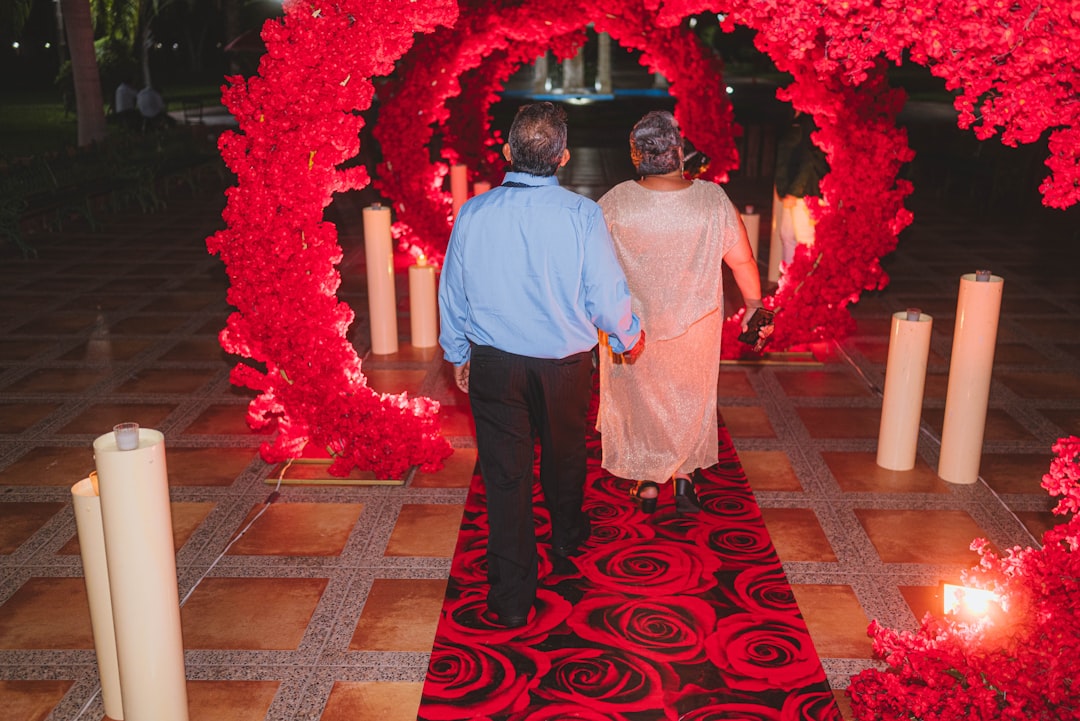
When a celebrity steps out onto the velvet rope path under flashing cameras, every seam, fabric drape, and gemstone represents months of meticulous creative labor. High fashion awards season functions as the ultimate global runway, transforming Parisian atelier craft into real time cultural phenomena. Understanding modern red carpet visibility requires examining two interconnected forces: the creative brilliance of haute couture houses and the tactical precision of industry image makers. Analysis of global fashion broadcasts shows that custom archival looks and freshly debuted runway couture generate billions of impressions, setting style directions across global markets for seasons to come.
Key Takeaways: Red Carpet Couture and Styling Dynamics
- Haute Couture Highlights: Bespoke garments from Paris and Milan push textile boundaries using custom corset work, hand embroidery, and structural sculpting.
- Behind the Scenes Stylists: Image architects orchestrate narrative styling, balance brand ambassadorships, and manage high stakes fittings.
- Trend Forecasting: Red carpet debuts directly influence mainstream retail, vintage revivals, and red carpet color palettes worldwide.
To analyze these extraordinary transformations, industry observers frequently examine comprehensive reports on Red Carpet Fashion Trends: Haute Couture Highlights and Behind the Scenes Stylists to evaluate how high fashion moves from studio mood boards to headline news.
Haute Couture Highlights: From Paris Runways to Global Award Shows
Haute couture represents the absolute peak of fashion craftsmanship, protected by strict legal regulations in France. When these one of a kind creations transition from exclusive Paris salons to major global events, they undergo a fascinating evolution. Ateliers spend hundreds of hours adjusting handcrafted garments to match the exact proportions of celebrated actors and musicians, ensuring that museum quality artistry functions under the harsh light of live broadcast cameras.
Architectural Sculpting and Structural Volume
Recent seasonal presentations emphasize dramatic structural silhouettes that redefine classical evening wear. Designers utilize molded corsetry, internal boning, and reinforced crinoline to construct gowns that resemble mobile sculptures. These structural masterpieces create striking visual footprints on camera, capturing immediate attention across digital media platforms. Key developments include exaggerated hip padding, soaring shoulder lines, and sweeping trains that demand coordinated handling from event escorts.
Tailored Minimalism and Avant Garde Draping
In contrast to sweeping volume, a parallel trend focuses on radical structural purity and fluid draping. Modern atelier artisans utilize silk crepe, liquid satin, and bias cut velvet to craft garments that flow seamlessly around the body. Precision cutting eliminates unnecessary seams, allowing the natural luster of high grade silk to bounce light directly into camera lenses. Insights published in global fashion journalism demonstrate how Red Carpet Fashion Trends: Haute Couture Highlights and Behind the Scenes Stylists reflect a growing preference for refined elegance over temporary gimmickry.
The Masterminds: Behind the Scenes Stylists Shaping Iconic Moments
Behind every memorable fashion moment stands an image architect who translates personal branding into visual language. Stylists operate as creative directors, strategists, and logistics masters simultaneously. Their responsibility extends far beyond selecting a flattering dress: they build cohesive aesthetic narratives that align with film promotional campaigns, personal milestones, and luxury endorsement contracts.
Strategic Brand Alignment and Vintage Sourcing
Modern celebrity styling requires deep knowledge of fashion history and corporate luxury relationships. Top tier stylists negotiate access to confidential brand archives, securing historical garments that have never been seen by the public. Pulling a vintage piece from an iconic ninety nineties collection creates instant historical context and positions the wearer as a sophisticated tastemaker. Furthermore, stylists carefully balance commercial contracts, ensuring that house ambassadors honor contractual obligations while maintaining artistic independence.
Precision Tailoring and Emergency Wardrobe Engineering
The final forty eight hours before a major red carpet arrival involve relentless fitting sessions. On site tailors alter delicate haute couture garments down to the millimeter, making adjustments that account for standing, sitting, and walking under heavy garment weight. Stylists assemble complex emergency kits containing invisible support tape, specialized fabric steamers, anti static sprays, and emergency stitching tools. Detailed industry case studies regarding Red Carpet Fashion Trends: Haute Couture Highlights and Behind the Scenes Stylists highlight how these behind the scenes adjustments save major events from technical wardrobe failures.
Silhouettes, Textiles, and Architectural Craftsmanship
The material composition of red carpet couture dictates how a garment reads on high definition screens. Ateliers experiment with traditional weaving techniques alongside futuristic fabric technology to create unprecedented visual effects.
Sustainable Luxury and Lab Grown Embellishments
Environmental responsibility has entered the highest tiers of fashion design. Leading couture houses now incorporate ethically sourced silk, recycled metallic threads, and lab grown crystals into bespoke red carpet creations. These technical innovations allow designers to achieve radiant shimmer without relying on unethically mined minerals or petroleum derived sequins.
Metallic Textures and Historical Revivals
Liquid gold lame, woven silver threading, and hand hammered metallic breastplates have dominated recent red carpet appearances. These materials reference historical armor while projecting strength and modern glamour. By pairing rigid metallic elements with soft silk chiffon skirts, designers achieve a harmonious balance between power and fluidity.
Final Thoughts
Red carpet fashion remains the premier global arena where high art, celebrity culture, and high stakes marketing intersect. As haute couture houses continue to push technical boundaries, behind the scenes stylists elevate personal dressing into a form of high art narrative. The resulting fashion moments serve as permanent historical artifacts, shaping global style preferences and inspiring future generations of designers, tailors, and image creators around the world. Readers can explore extensive departmental reporting in our Celebrity department, produced in strict accordance with verified editorial standards.
Frequently Asked Questions
What defines haute couture compared to regular luxury red carpet dresses?
Haute couture refers to custom, hand sewn garments made in Paris ateliers adhering to strict legal criteria, requiring hundreds of sewing hours, whereas regular luxury gowns are often high end ready to wear or semi custom designs.
How far in advance do stylists begin planning a major red carpet look?
Stylists typically begin planning looks three to six months in advance for major awards events, coordinating archive pulls, custom designer sketches, and multiple international fitting sessions.
Do celebrities get to keep the haute couture dresses they wear?
No, most haute couture red carpet gowns are loaned by fashion houses and returned to corporate archives immediately after the event, though celebrities occasionally purchase exceptional custom pieces.
What key items are always found in a celebrity stylist's emergency kit?
A stylist's emergency kit contains specialized double sided fashion tape, garment steamers, anti static spray, top grade sewing needles, silk thread, silicone padding, and fabric safety pins.
How do red carpet fashion trends influence mainstream fashion collections?
Mass market brands and contemporary designers analyze major red carpet colors, necklines, and silhouettes, adapting prominent trends into commercial collections within three to six months.