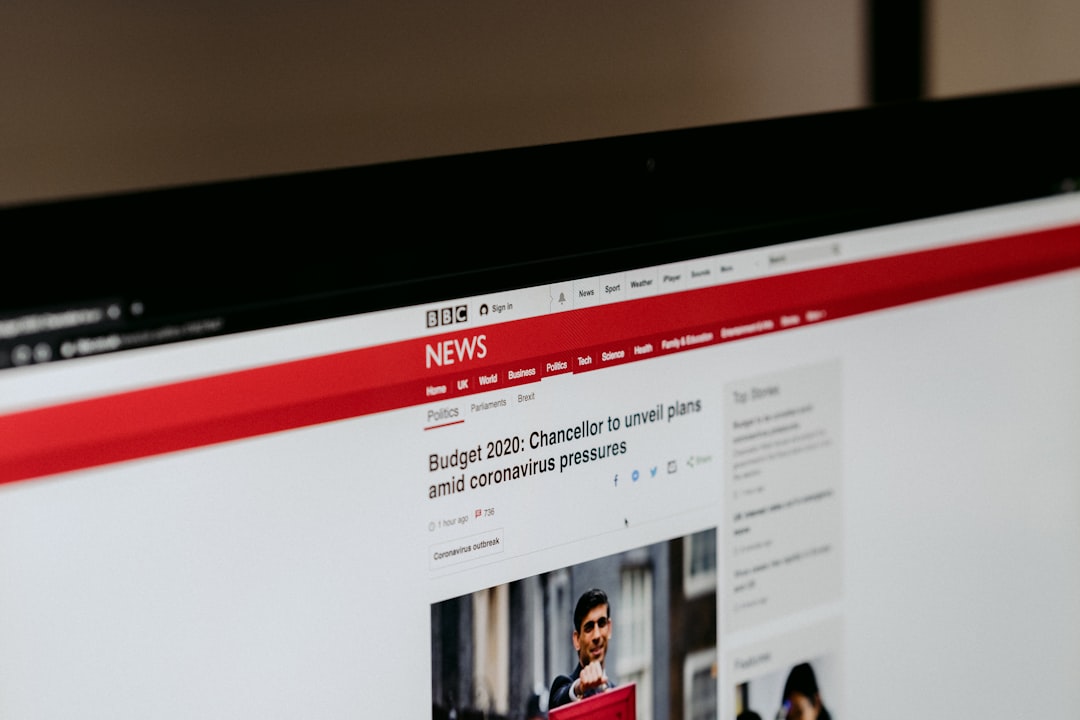
In a world where economic markets, political alliances, and technological innovations are deeply intertwined, maintaining a comprehensive understanding of global events is essential. Every major shift in international relations, trade agreements, or environmental policy has a cascading effect that crosses borders and impacts local communities. To navigate this complex landscape, individuals and professionals alike must look beyond their immediate surroundings and analyze the broader trends shaping our global society.
Understanding these global dynamics requires more than just skimming headlines: it demands an appreciation of the historical contexts, economic realities, and cultural nuances that drive international events. By examining these factors, we can better anticipate market shifts, prepare for regulatory changes, and make informed decisions in both our personal and professional lives.
The Interconnected Nature of Global Economics
How Monetary Policies Ripple Across Borders
The global financial system is a highly sensitive network where actions taken by one nation can trigger significant reactions across the globe. When major central banks adjust their monetary frameworks, the consequences are felt far beyond their national borders. For instance, the implementation of high interest rates in dominant economies often strengthens local currencies while simultaneously increasing borrowing costs for developing nations. This economic tightening can suppress international trade, alter investment flows, and trigger inflationary pressures globally. Investors and businesses must closely monitor these macroeconomic shifts to safeguard their portfolios and adapt their operational strategies to changing global conditions.
Supply Chain Vulnerabilities and Market Dynamics
Modern manufacturing and distribution rely on intricate, multinational supply chains that are highly susceptible to geopolitical disruptions. A localized crisis, such as a port closure, a regional conflict, or a sudden trade dispute, can rapidly escalate into a global supply chain bottleneck. These disruptions highlight the critical importance of tracking international updates, as a delay in one part of the world can lead to product shortages and price increases thousands of miles away. Businesses that proactively analyze global logistics trends are better positioned to diversify their sourcing, mitigate risks, and maintain operational resilience during times of international instability.
Geopolitics and the Evolution of Digital Assets
Regulatory Frameworks and Sovereign Policies
Geopolitical transitions invariably bring about shifts in financial regulation and technological oversight. As governments grapple with decentralized finance and digital currencies, the development of a cohesive crypto policy becomes a priority for nations seeking to balance innovation with financial stability. These regulatory decisions do not exist in a vacuum: they influence global capital flight, technological investment, and cross border transactions. By understanding how different jurisdictions approach digital asset regulation, market participants can better navigate the evolving legal landscape and anticipate future compliance requirements.
Technological Sovereignty and Cyber Security
The race for technological dominance has become a central pillar of modern geopolitics. Nations are increasingly focusing on technological sovereignty, investing heavily in domestic semiconductor manufacturing, artificial intelligence research, and robust cybersecurity infrastructure. This competitive landscape shapes international trade policies and national security strategies, making technology a key focal point of global reporting. Understanding these technological rivalries is crucial for businesses and individuals, as they directly impact data privacy laws, software supply chains, and the global distribution of digital services.
The Role of Media in Shaping Public Perception
Navigating Information Overload in the Digital Age
In a highly digitized media landscape, distinguishing objective reporting from sensationalism is increasingly challenging. The abundance of information sources, ranging from traditional news outlets to social media platforms, can lead to cognitive fatigue and misinformation. Consuming comprehensive world news coverage from reputable, established outlets allows individuals to synthesize complex geopolitical events without falling victim to localized bias or misinformation. Developing strong media literacy skills, such as cross referencing sources and verifying facts, is essential for anyone seeking a clear and accurate understanding of international affairs.
The Impact of Citizen Journalism and Real Time Reporting
The rise of mobile technology and social media has democratized the dissemination of information, giving birth to citizen journalism. Today, eyewitnesses can broadcast live updates from the scene of major events, providing immediate, raw perspectives that traditional media might miss. While this real time reporting offers valuable on the ground insights, it also presents significant challenges regarding verification and editorial standards. Professional news organizations play a vital role in verifying these grassroots reports, adding necessary context, and presenting a balanced narrative that helps the public make sense of fast moving global crises.
Final Thoughts
Navigating the complexities of our modern world requires a conscious effort to stay informed about international events. As we have explored, global economic policies, geopolitical shifts, and technological advancements are deeply interconnected, with developments in one region inevitably impacting others. By actively seeking out diverse, reputable sources of information and analyzing the broader context behind the headlines, we can develop a more nuanced understanding of the forces shaping our collective future. Ultimately, staying informed is not just about keeping up with the news: it is about acquiring the knowledge necessary to make strategic, proactive decisions in an increasingly interconnected global society.
Frequently Asked Questions
Why is following international news important for businesses?
Following international news allows businesses to anticipate supply chain disruptions, adapt to changing regulatory environments, and identify emerging market opportunities in different regions.
How do global economic policies affect local markets?
Global economic policies, such as interest rate adjustments by major central banks, influence international trade, currency values, and borrowing costs, which directly impacts local market stability and consumer pricing.
What is the best way to verify the accuracy of global news?
To verify the accuracy of global news, cross reference reports across multiple reputable, independent media outlets, look for primary sources or official statements, and remain cautious of sensationalized headlines.
How has technology changed the way we consume international news?
Technology has democratized news consumption through real time social media updates and citizen journalism, allowing immediate access to global events while increasing the need for rigorous fact checking.
What role does geopolitics play in digital asset regulation?
Geopolitics heavily influences digital asset regulation as nations seek to protect financial stability, prevent illicit capital flows, and establish technological sovereignty through tailored regulatory frameworks.