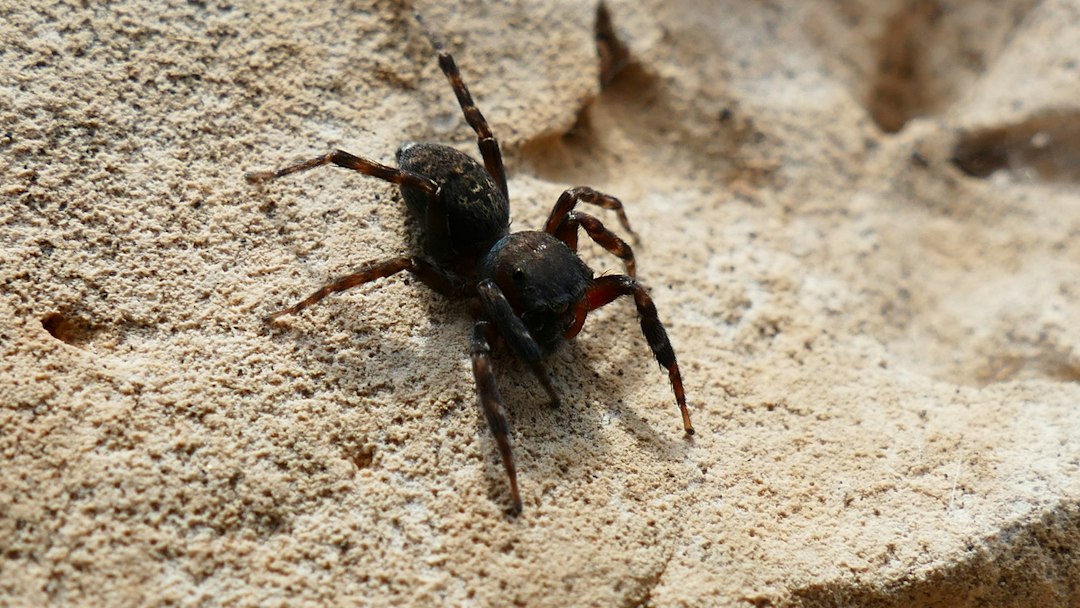
Quick Answer: The house wolf spider makes an unlikely roommate because it actively hunts household pests like silverfish, roaches, and carpet beetles without building messy webs. While their large size and fast sprints can startle homeowners, their venom is non-lethal to humans and pets, with bites occurring rarely and feeling milder than a common bee sting.
Spotting a hairy, two-inch arachnid sprinting across the living room rug at ten o'clock at night is enough to make anyone pause. Learning Why the House Wolf Spider Makes an Unlikely Roommate can change that initial surge of panic into a calm understanding of home ecology. These solitary ground-dwellers do not invade living spaces to cause trouble, spread disease, or ruin furniture. Instead, they stumble through baseboards, doorways, and unsealed foundation gaps in search of food or shelter when outdoor conditions change.
Most domestic insect encounters involve pests that consume drywall, chew textiles, or contaminate dry food containers. While some domestic pests destroy pantry goods, others merely wander indoors by accident. The wolf spider belongs firmly in that accidental category. Rather than colonizing attic beams or laying sticky silk across kitchen corners, this predatory hunter patrols baseboards alone, quietly dispatching unwanted insects that slip past your screens.
Living alongside one of these arachnids is rarely a permanent arrangement. Wolf spiders need steady hydration and a dense supply of live prey that typical dry, clean interiors cannot sustain for long. Understanding how they behave, what they actually do inside your walls, and how to safely usher them outdoors turns a startling midnight encounter into a simple, manageable part of seasonal home upkeep.
Hunting Habits and Natural Indoor Pest Control
Ground Hunting Tactics vs. Traditional Web Spinners
Unlike common cellar spiders or cobweb weavers that suspend themselves in ceiling corners and wait for prey to become entangled, the common wolf spider relies on speed and keen eyesight. Classified under the family Lycosidae, these arachnids possess eight distinct eyes arranged in three tiers, providing acute depth perception and movement tracking in low-light environments. They can sprint up to two feet per second to ambush targets, pinning insects with their strong front legs before delivering a quick, immobilizing bite.
Because they do not construct webs to capture food, wolf spiders never leave behind the dusty, abandoned silk strands that make walls and ceilings look neglected. They move quietly along baseboards, behind storage boxes, and under heavy furniture, occupying the same low-profile micro-habitats where common crawling pests conceal themselves. When dawn approaches, they seek shelter in tight, dark crevices rather than remaining out in the open, which means you rarely encounter them during the day.
Target Prey: Silverfish, Roaches, and Ants
Inside a residential home, wolf spiders act as indiscriminate apex predators among small invertebrates. Their typical diet includes destructive moisture pests such as silverfish, which chew on book bindings and wallpaper paste, as well as German cockroaches, pillbugs, earwigs, and cricket nymphs. A single mature wolf spider can consume several insects each week, working through hidden pest populations long before you notice an infestation taking hold in your pantry or basement.
Professional pest control operators frequently charge between $150 and $300 for an initial residential inspection and perimeter treatment. While professional chemical interventions become necessary during heavy infestations, a lone wolf spider roaming the utility room provides natural, chemical-free suppression without leaving toxic residues on floors where children and domestic pets walk. They operate as efficient biological controls, checking the numbers of subterranean and crawlspace insects naturally.
Why Chemical Sprays Are Often Unnecessary
Emptying an entire can of synthetic pyrethroid aerosol spray across a baseboard when you spot a single wolf spider is an overreaction that introduces unnecessary chemicals into your home air. Most off-the-shelf bug sprays carry strong fumes and can cost anywhere from $8 to $20 per aerosol can, yet they offer little residual deterrence against wandering ground spiders. Spiders walk high on their tarsi (foot tips), which means their bodies rarely absorb enough surface-spray residue to stop them instantly.
If you prefer monitoring without spraying, non-toxic mechanical glue traps such as Catchmaster 72MAX (costing around $12 for a 30-pack) provide clean placement behind washing machines, water heaters, and garage doors. These glue boards catch stray bugs and give you a clear record of which crawling insects are entering your structure, all without generating persistent airborne odors or chemical exposures.
Busting Common Myths: Toxicity, Aggression, and Bite Risks
Venom Potency: Separating Fact from Exaggeration
The most persistent fear surrounding wolf spiders stems from rumors that their bite causes extensive tissue death or systemic poisoning. Medical entomology demonstrates that wolf spider venom is engineered strictly for subduing tiny insect prey, not defending against large mammals. In the rare event that a human receives a bite, the clinical outcome is minor: localized redness, slight swelling, and an itching sensation that typically fades within 24 to 48 hours without medical intervention.
A wolf spider bite causes discomfort comparable to a honeybee sting or an ant nip. It does not cause necrotic skin ulcers, deep open lesions, or severe systemic complications. Washing the area with basic antibacterial soap and applying an ice pack for ten-minute intervals is sufficient to soothe irritation. Secondary bacterial infections from scratching the puncture site represent the main minor risk, which clean hygiene practices prevent easily.
Defensive Posturing vs. Unprovoked Aggression
Homeowners often interpret a wolf spider raising its front legs as a sign of impending attack, but this display is purely defensive theater. Because humans stand thousands of times taller than an arachnid, a trapped spider feels threatened when cornered against a floorboard or wall. Raising its pedipalps and front legs is an instinctive bluff designed to look larger and deter a suspected predator from stepping closer.
Wolf spiders have zero predatory interest in humans and will always choose running over fighting. When you approach with a shoe or broom, their primary instinct is rapid flight toward the nearest shadow or crack. While some insect species actively attack when cornered, but others prioritize rapid retreat and evasion. Bites occur almost exclusively when a person accidentally crushes an unsuspecting spider inside a garden glove, a long-unworn work boot, or rolled-up blankets stored on the floor.
Recognizing Wolf Spiders from Brown Recluses
Misidentification creates undue terror among homeowners. People frequently confuse large wolf spiders with the medically significant brown recluse (Loxosceles reclusa). However, physical characteristics separate them immediately upon close inspection. A brown recluse has a uniform, smooth sandy-brown coloration without stripes, features a dark violin marking on its cephalothorax, and possesses six eyes arranged in three pairs. It tops out at about the size of a quarter, legs included.
In contrast, wolf spiders grow noticeably larger, frequently measuring one to two inches in leg span, and exhibit bold patterns. They display contrasting longitudinal tan, dark brown, and grey stripes running down their back, along with prominent spines on their stout legs. Their eyes include two large forward-facing lenses that reflect flashlight beams with a distinct greenish glow at night, a feature completely absent in recluse spiders.
Humane Coexistence and Safe Relocation Strategies
The Cup-and-Cardboard Capture Technique
Crushing a wolf spider against a baseboard is messy and, in the case of mature females, can lead to a surprising complication. Female wolf spiders carry their egg sacs attached to their spinnerets and later transport hundreds of newly hatched spiderlings on their abdomens. Striking a mother spider can disperse dozens of tiny offspring across the floorboards. Safe, humane capture avoids this issue entirely.
To relocate a spider without harm, place a clear plastic drinking tumbler or wide-mouth glass jar directly over it. Slide a stiff piece of cardboard, an index card, or an envelope slowly underneath the rim until the spider steps onto the surface. Keep the card firmly pressed against the mouth of the vessel, carry the container outside into the yard, and gently tip it over near low shrubs, woodpiles, or garden mulch at least ten feet away from your foundation.
Exclusion and Weatherproofing to Seal Entry Points
If you prefer that these eight-legged hunters stay outside where they belong, targeted physical exclusion is far more effective than chemical repellents. Most spiders enter buildings through damaged weatherstripping beneath exterior doors, broken basement window screens, and unsealed pipe penetrations. Spending an afternoon checking perimeter openings prevents hundreds of seasonal bug intrusions.
Replace worn rubber door sweeps with aluminum-backed units such as Frost King door bottoms ($8 to $15 at any hardware store). Use silicone-acrylic exterior caulk to seal gaps around outdoor spigots, cable entries, and dryer vents. Installing fine-mesh wire hardware cloth over crawlspace vents keeps out large spiders and rodents while maintaining essential air movement under floors.
Outdoor Habitat Placement Away from Foundations
Spiders gather where moisture, shelter, and prey insects congregate. Piles of firewood stacked directly against house siding create an ideal staging ground for wolf spiders to hunt and eventually slip through exterior siding vents. Moving firewood racks at least ten to twenty feet away from exterior walls dramatically reduces the number of spiders that wander indoors.
Rake decaying leaves, pine straw, and thick bark mulch back at least twelve inches from your home foundation wall to establish a dry border. Trimming dense groundcovers like English ivy or spreading junipers away from brickwork removes the dark, damp hunting corridors that guide ground spiders directly toward basement sills and patio sliders.
Final Thoughts
Key Takeaway: The house wolf spider may look imposing, but it serves as a silent, harmless ally in domestic pest suppression. By skipping heavy insecticides, sealing entry points with fresh door sweeps and caulk, and using a simple cup to move wandering individuals outside, you keep your living space pest-free while respecting beneficial wildlife.
Seeing a wolf spider inside your house does not signal an impending infestation or a failure of basic cleanliness. These solitary hunters enter human dwellings tracking outdoor insect prey or fleeing sudden changes in temperature and precipitation. They construct no webs to sweep, carry no diseases, and avoid contact with people at all costs.
By reframing how you view these unexpected visitors, you can handle them with calm confidence. A simple glass jar and a piece of cardstock allow you to safely escort them back to the garden where their hunting skills do genuine good, keeping your home peaceful and free of unnecessary chemical residues.