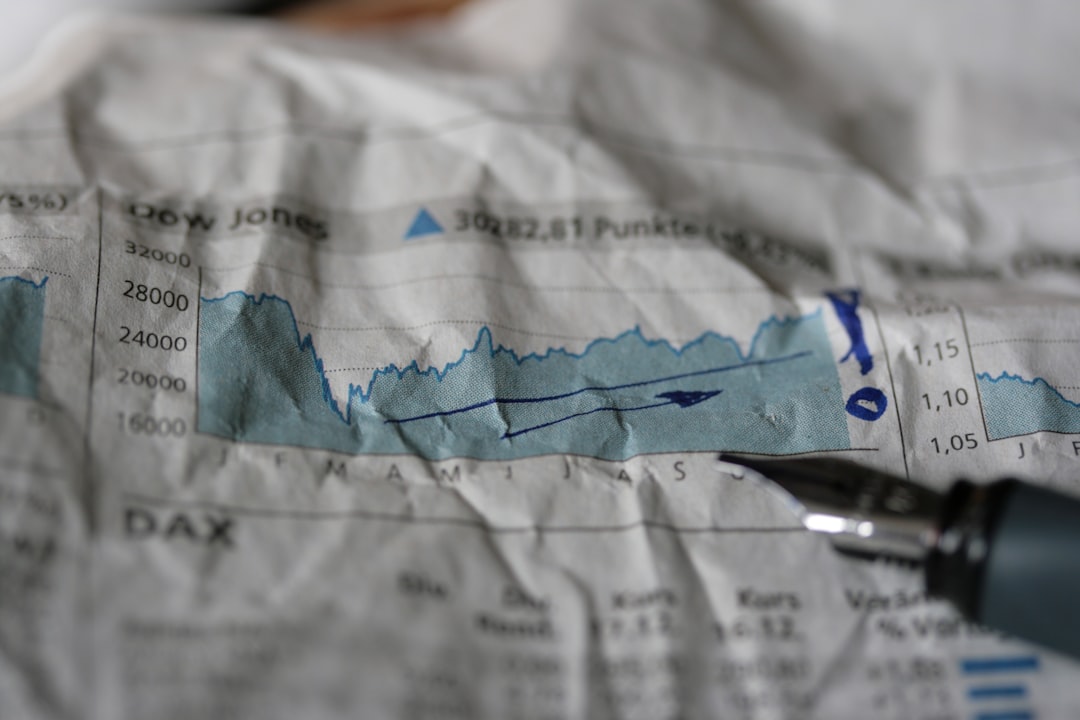
The United States economy has entered a phase of mature stabilization, characterized by a delicate balance between moderated inflation and steady labor dynamics. Following the aggressive tightening cycle initiated by the Federal Open Market Committee in previous years, the Federal Reserve has successfully guided the market toward a soft landing. Current macroeconomic indicators reveal a gross domestic product growth rate hovering around 2.2 percent, while the Consumer Price Index has settled at a manageable 2.3 percent. This economic environment presents both unique opportunities and distinct challenges for corporate leaders, small business owners, and everyday consumers navigating the post-inflationary landscape.
To capture the current economic reality, one must look at how the Federal Reserve has managed monetary policy to prevent a deep recession. By maintaining the federal funds rate in the range of 4.25 to 4.50 percent, policymakers have established a restrictive yet functional baseline that cools speculative bubbles without choking off productive capital. This strategic positioning has allowed Main Street businesses to recalibrate their long-term financial planning, moving away from the defensive posture of the early 2020s toward targeted growth and modernization. The resilience of the labor market, with unemployment holding steady at 4.1 percent, further underscores the structural strength of the domestic economy.
The Federal Reserve and the New Normal of Monetary Policy
The era of near-zero interest rates is firmly in the past, replaced by a monetary policy framework that prioritizes price stability and sustainable growth. Federal Reserve Bank of New York President John Williams and other prominent policymakers have emphasized that the neutral rate of interest, often referred to as r-star, has likely risen due to structural shifts in global capital markets and increased public debt issuance. This shift means that borrowing costs will remain structurally higher for the foreseeable future, fundamentally altering how corporations and financial institutions approach leverage.
Deciphering the Neutral Rate and Yield Curves
The normalization of the yield curve represents a significant milestone in the current economic cycle. After an unprecedented period of inversion, where short-term Treasury yields exceeded long-term yields, the curve has steepened back into a traditional upward slope. This correction reflects growing investor confidence in long-term economic expansion and a stabilization of inflation expectations. For financial institutions like JPMorgan Chase and Bank of America, a normalized yield curve improves net interest margins, enabling more predictable lending practices to commercial borrowers.
However, the cost of capital remains a primary concern for capital-intensive industries. Businesses seeking financing for commercial equipment, manufacturing facilities, or commercial real estate must adapt to these higher baseline rates. Rather than relying on cheap debt to fuel expansion, corporate treasury departments are focusing on cash flow optimization and organic revenue generation. This transition has weeded out highly leveraged, non-viable enterprises, leading to a healthier and more disciplined corporate ecosystem across the nation.
Main Street Resilience Amid Shifting Consumer Behavior
Despite the headwinds of elevated borrowing costs, consumer spending has remained remarkably resilient. According to recent data from the US Census Bureau, retail sales have maintained a steady 3.2 percent year-over-year increase, driven by sustained wage growth and high employment levels. However, the composition of consumer spending has undergone a noticeable transformation. Households are increasingly value-conscious, prioritizing essential goods, services, and experiences over discretionary luxury items.
Retail Foot Traffic and the Digital Shift
To maintain healthy retail foot traffic, physical storefronts and local enterprises are integrating advanced digital tools to bridge the gap between e-commerce and brick-and-mortar experiences. This integration is particularly evident in how Main Street businesses manage inventory and customer engagement. For instance, many independent retailers are leveraging smart home technology trends to offer seamless curbside pickup, localized delivery, and automated inventory tracking, ensuring they remain competitive against e-commerce giants.
Furthermore, the service sector continues to outperform expectations. Spending on travel planning, dining out, and live entertainment has remained robust, indicating that consumers still value experiential purchases. This sustained demand has helped offset declines in big-ticket durable goods, such as home appliances and automobiles, which are highly sensitive to interest rates. As long as the labor market remains tight and real wages continue to grow, consumer spending is expected to provide a solid floor for overall economic activity.
The Green Transition and Industrial Policy Rebound
One of the most significant structural drivers of the current US economy is the massive influx of capital directed toward industrial policy and infrastructure modernization. The long-term rollout of the Inflation Reduction Act and the CHIPS and Science Act has catalyzed hundreds of billions of dollars in private sector investments. In states like Ohio, Georgia, and Arizona, massive manufacturing facilities and semiconductor fabrication plants are coming online, creating high-paying construction and engineering jobs.
Capital Expenditures in Clean Energy and Smart Infrastructure
The clean energy transition is no longer a theoretical future; it is a primary driver of current industrial production and capital expenditure. Utility companies and private enterprises are investing heavily in grid modernization, energy efficiency, and battery storage systems. These investments are crucial for meeting the surging electricity demand driven by artificial intelligence data centers and the electrification of transportation. By integrating advanced battery storage solutions, commercial operations can manage peak energy demand more effectively, lowering their long-term operational costs.
This industrial rebound has also stimulated local economies, creating a multiplier effect that benefits nearby service providers, housing markets, and retail establishments. While the initial phases of these projects required significant upfront capital, the long-term benefits of enhanced domestic manufacturing capacity and energy security are beginning to materialize, positioning the United States favorably in the global competitive landscape.
Final Thoughts
The US economy has demonstrated remarkable adaptability in navigating the transition from a high-inflation environment to a period of stable, moderate growth. While the challenges of elevated interest rates and structural shifts in consumer behavior persist, the underlying fundamentals of the economy remain strong. The combination of a resilient labor market, robust industrial investment, and disciplined monetary policy has paved the way for a sustainable economic expansion.
For businesses and investors, success in this new economic era requires a focus on operational efficiency, technological integration, and prudent financial management. By embracing innovations in energy efficiency, optimizing supply chains, and adapting to changing consumer preferences, enterprises can navigate the current landscape and position themselves for long-term prosperity. As the Federal Reserve continues to monitor economic indicators and adjust policy accordingly, the outlook for the US economy remains cautiously optimistic.
Frequently Asked Questions
What is the current Federal Reserve interest rate policy?
The Federal Reserve maintains the federal funds rate in the range of 4.25 to 4.50 percent. This restrictive yet functional baseline is designed to keep inflation anchored near the 2 percent target while supporting sustainable economic growth.
How is consumer spending holding up under high interest rates?
Consumer spending remains resilient, supported by steady wage growth and low unemployment. However, consumers have become more value-conscious, prioritizing essential goods and services over high-priced discretionary items.
What role is industrial policy playing in the current economy?
Federal initiatives like the Inflation Reduction Act and the CHIPS and Science Act continue to drive significant private sector investment in domestic manufacturing, semiconductor production, and clean energy infrastructure.
Are small businesses able to adapt to the higher cost of capital?
Yes, many Main Street businesses are adapting by focusing on operational efficiency, optimizing cash flows, and leveraging digital technologies to enhance customer engagement and streamline inventory management.