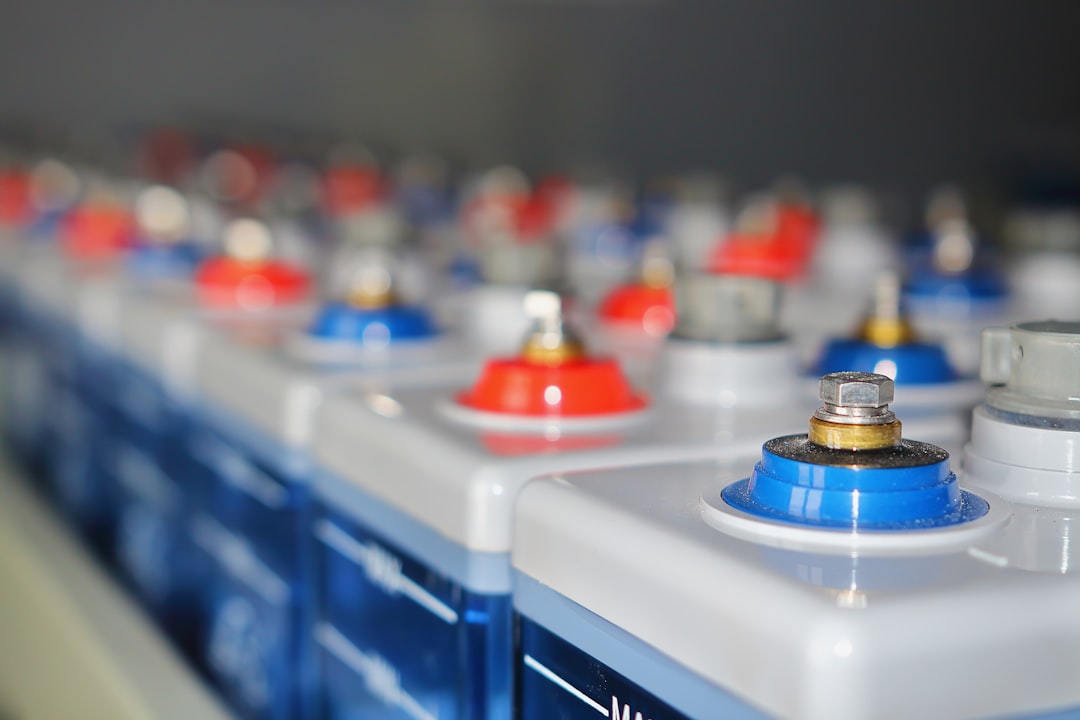
Adding energy storage to a residential property completely transforms how modern households generate and consume power. For years, rooftop solar panel systems functioned strictly in real time. They captured sunlight, turned it into usable electricity, and sent whatever excess your home could not immediately consume back to the local utility grid. When the sun went down, your house shifted right back to relying on traditional grid supply. Solar battery storage bridges that daily gap, giving you direct control over every kilowatt-hour your roof generates. For further reference, see Wired.
With electricity prices rising across national markets and grid reliability becoming a central concern during extreme weather, energy independence has moved from a niche project into mainstream lifestyle design. Storing your own clean electricity allows you to run appliances overnight, maintain power during local outages, and avoid expensive peak power tariffs charged by regional utilities. Integrating battery storage aligns naturally with broader smart home technology upgrades, turning static residential units into responsive, self-sustaining energy nodes.
Why Energy Storage Matters Now
The global clean energy transition is changing how power utilities price electricity. Standard flat-rate pricing models are rapidly disappearing in favor of time-of-use tariffs. Under time-of-use pricing, electricity costs significantly more during late afternoon and evening hours when demand peaks across the regional grid. Without a storage system, your solar array produces maximum power during mid-day when electricity values are lowest, leaving you vulnerable to inflated utility rates when evening demand kicks in.
A modern home battery lets you practice energy arbitrage. You store abundant, free solar power generated at mid-day, then use that exact stored power during prime evening hours when grid rates double or triple. Beyond immediate daily bill reductions, localized storage protects your sensitive digital hardware and commercial equipment from unexpected voltage sags or total neighborhood blackouts, providing continuous, uninterrupted utility service.
How Solar Battery Storage Works in Your Home
At its core, a home battery system captures the direct current power generated by solar panels, converts or holds that charge, and discharges it on demand. However, the exact technical setup depends on whether you select an AC-coupled or DC-coupled infrastructure.
AC-Coupled vs DC-Coupled Systems
Understanding how energy flows between your roof, inverter, battery, and home appliances ensures you select the correct equipment for your existing or planned electrical infrastructure.
- AC-Coupled Systems: In an AC system, solar panels send direct current to a solar inverter, which converts it to alternating current for your home. If excess power is available, a secondary storage inverter converts that alternating current back into direct current to charge the battery. When you need power later, it converts back to alternating current once more. This approach is ideal for adding storage to an existing solar panel array because it does not require changing your primary solar inverter.
- DC-Coupled Systems: In a DC system, power from the solar panels travels straight to a hybrid inverter that charges the battery directly without multiple conversion steps. Power is converted to alternating current only once, right before it is delivered to your home circuits. This method provides higher energy efficiency, lower power conversion losses, and cleaner overall performance during installation on new builds.
Intelligent Energy Routing
Modern residential storage units rely on automated management software. These smart home systems continuously track your household energy production, battery state of charge, weather forecasts, and current grid pricing. When utility rates spike, the intelligent controller automatically switches your home circuits off grid power and onto stored battery power. Should an outage occur, automated transfer switches disconnect your home from the utility grid in milliseconds, keeping critical lights, refrigeration, and networking gear running without interruption.
Comparing Lithium Iron Phosphate vs Lithium Ion vs Lead Acid
Battery chemistry defines a system's lifespan, thermal stability, depth of discharge, and overall footprint. Choosing the correct chemistry determines how well your equipment performs over its ten to fifteen year lifecycle.
Lithium Iron Phosphate (LFP)
Lithium Iron Phosphate, often abbreviated as LiFePO4 or LFP, has quickly established itself as the gold standard for home energy storage. LFP chemistry offers outstanding thermal and chemical stability, virtually eliminating thermal runaway risks under normal household operating conditions. Key advantages include:
- Long Cycle Life: Typically rated for 6,000 to 10,000 complete charge and discharge cycles, providing reliable service for 15 years or more.
- High Depth of Discharge: Allows you to regularly draw down 90% to 100% of usable capacity without degrading battery health.
- Non-Toxic Materials: Uses cobalt-free chemistry, making it safer for indoor installation and easier to recycle at end-of-life.
NMC Lithium-Ion
Nickel Manganese Cobalt (NMC) lithium-ion batteries were long the standard for early residential storage products due to their high energy density. Because NMC batteries pack significant storage into small physical enclosures, they remain popular where wall space is tightly constrained. However, they generally offer slightly fewer total lifetime cycles than LFP units and require sophisticated thermal monitoring management.
Lead-Acid and Sealed Gel Batteries
Traditional deep-cycle lead-acid systems carry the lowest upfront hardware price, making them appealing for small off-grid cabins. However, for primary residential properties, their drawbacks are substantial:
- Low Depth of Discharge: Drawing a lead-acid unit below 50% capacity severely damages its chemical lifespan.
- Shorter Lifespan: Requires full replacement every 3 to 7 years depending on usage.
- Higher Maintenance: Demands routine ventilation monitoring and physical maintenance checks compared to zero-maintenance lithium options.
Sizing Your Battery System and Installation Essentials
Sizing a battery correctly requires balancing daily kilowatt-hour electrical consumption against your core backup priorities during an extended outage.
Calculating Your Daily Kilowatt-Hour Demands
Review your utility bills from the past twelve months to find your daily energy baseline. An average modern household consumes between 20 and 30 kilowatt-hours per day. If your goal is partial daily load shifting, a 10 kWh to 15 kWh battery system typically suffices to offset peak evening utility rates.
Essential Loads vs Whole-Home Backup
When selecting your backup configuration, decide between running select critical circuits or backing up the entire main electrical panel:
- Essential Circuit Backup: Connects only necessary devices to the battery backup panel. This typically includes the refrigerator, internet hardware, key lighting zones, medical equipment, and select wall outlets. This approach keeps equipment costs lower and extends battery run-time significantly during multiday grid failures.
- Whole-Home Backup: Connects the entire main service panel to high-capacity storage. Powering major power draws like central air conditioning, electric clothes dryers, and heat pumps requires multiple stacked battery units capable of handling high peak surge currents.
Physical Installation and Site Planning
Following practical battery life tips begins during physical installation. Batteries perform best in controlled environments between 50 and 80 degrees Fahrenheit. While modern LFP cabinets feature weatherproof outdoor enclosures, installing them inside a garage, basement, or utility shed shields the hardware from freeze cycles and direct intense sunlight, directly preserving maximum energy capacity across decades of operation.
Financial Incentives, Cost Breakdown, and Payback Periods
Investing in residential energy storage involves weighing initial hardware costs against long-term operational savings, local rebates, and power resilience benefits.
Average System Costs
An installed residential solar battery setup generally costs between $8,000 and $16,000 for a standard 10 kWh to 15 kWh unit. This total encompasses the physical battery pack, integrated or external inverter hardware, automatic transfer switches, structural mounting kit, electrical permits, and certified professional electrician labor.
Tax Credits and Utility Rebates
Financial incentives lower net installation expenses significantly across most domestic markets:
- Federal Tax Credits: Federal clean energy incentives allow qualified homeowners to deduct up to 30% of total equipment and installation costs directly from their tax liability.
- State and Regional Rebates: Many state energy programs and municipal utilities offer direct cash rebates or performance-based incentives for installing residential storage.
- Virtual Power Plant (VPP) Programs: Forward-thinking electric utilities allow homeowners to enroll their storage units in grid stabilization programs. In exchange for allowing small, automated power discharges during critical grid shortages, utilities pay owners monthly financial compensation or annual service credits.
Calculating Payback Periods
When paired with high-rate time-of-use electrical tariffs and robust local incentive programs, a modern lithium battery system reaches financial payback within 7 to 11 years. Considering modern LFP chemistries offer manufacturer performance warranties spanning 10 to 12 years and operating lifespans past 15 years, the remaining operational life delivers pure financial profit and free energy security.
Final Thoughts
Investing in solar battery storage is one of the most effective lifestyle upgrades for achieving home autonomy, long-term financial predictability, and clean energy resilience. By matching system capacity to your household energy habits and taking advantage of available regional incentives, you build a sustainable digital power hub that keeps your equipment protected, your electricity costs low, and your home running smoothly through any grid challenge.
Frequently Asked Questions
How long will a 10 kWh solar battery run my home during an outage?
A 10 kWh battery can power essential household loads like refrigeration, LED lighting, wifi routers, and basic device chargers for 18 to 24 hours. If running heavy appliances like central air conditioning or electric water heaters, a 10 kWh capacity may deplete within 2 to 4 hours.
Can I install a solar battery without having solar panels?
Yes. You can install a grid-tied battery system that charges exclusively from the utility grid during low-cost off-peak night hours. The battery then discharges during expensive peak hours or stays fully charged to serve as emergency backup during unexpected power failures.
Do solar batteries require ongoing routine maintenance?
Modern lithium iron phosphate and standard lithium-ion residential batteries require zero routine physical maintenance. They feature built-in automated management software that constantly monitors cell balance, operational temperatures, and charging parameters automatically.
What is the difference between peak power output and continuous power capacity?
Continuous power capacity is the maximum amount of wattage the battery can deliver steadily over extended periods, usually around 5 kW to 7 kW. Peak power output is the brief surge capacity, often 7 kW to 10 kW for 10 seconds, required to start heavy motor-driven appliances like water pumps or air compressors.
How long does a home solar battery system last?
Most quality residential lithium iron phosphate systems last between 12 and 15 years while retaining at least 70% of their original chemical capacity. Standard manufacturer performance warranties typically cover 10 full years or a guaranteed throughput total of 4,000 to 6,000 cycles.