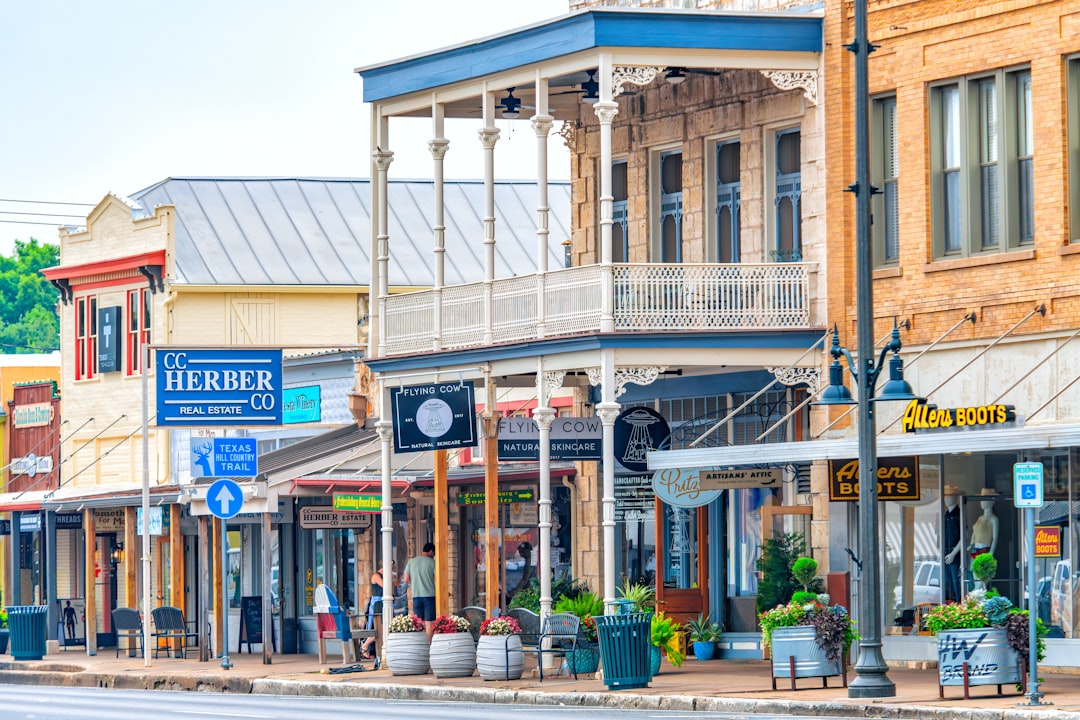
Walk through the core of any revitalized downtown corridor today, and you will see a profound change in how commerce operates. Where dusty windows and quiet sidewalks once signaled the steady decline of traditional town centers, independent shopkeepers, artisan food markets, and specialty boutiques are running bustling commercial hubs. The longstanding prediction that digital storefronts would extinguish brick-and-mortar retail has proven false. Instead, consumers are deliberately seeking tangible, community-oriented experiences that an online checkout queue cannot replicate. For further reference, see Investopedia.
Downtown revitalization is no longer about preserving the past out of nostalgia. Today, it is an aggressive, forward-looking business strategy. Small business owners are turning historic corridors into high-density experiential destinations by pairing personalized hospitality with lean digital infrastructure. These merchants understand that foot traffic does not happen by accident; it requires calculated decisions about physical space, strategic merchandising, and local collaboration.
The Main Street Retail Advantage
Independent retailers hold an edge that massive big-box chains and remote warehouses cannot match: authentic local presence. When consumers leave their homes, they want human interaction, curated product selection, and instant gratification. Smart merchants are capitalizing on regional investments and pedestrian-first street design to turn casual walkers into loyal repeat customers.
Hybrid Storefronts and Modern Point-of-Sale Integration
Running a successful downtown shop today means operating as both a physical destination and a hyper-responsive local distribution node. The modern independent storefront does not treat e-commerce as a rival channel. Instead, local retailers use unified inventory systems to turn their brick-and-mortar footprint into an asset that outperforms distant fulfillment hubs.
The Shift to Unified Local Inventory
Shoppers frequently check their phones to verify whether a specific product is sitting on a downtown shelf before walking out the door. Small retailers who win today use modern point-of-sale systems that synchronize shelf stock with digital storefronts in real time. Offering local pickup within sixty minutes gives neighborhood stores an operational speed advantage that national logistics networks cannot beat.
- Real-time inventory synchronization: Cloud-connected stock management prevents customers from encountering out-of-stock items after traveling to your store.
- Click-and-collect curbside pickup: Simple outdoor staging spaces let busy commuters grab pre-packaged orders on their way home.
- Digital reservation options: Allowing shoppers to hold garments or specialty goods online for in-person fitting builds high-conversion visits.
Optimizing Web Performance for Foot Traffic
A brick-and-mortar merchant must treat web performance as a direct foot-traffic driver. If a local search page takes four seconds to load on a mobile device, a pedestrian walking down the avenue will simply walk past your shop. Fast, lightweight mobile interfaces that display store hours, current stock levels, and daily specials convert casual smartphone searches into immediate in-store visits. Pairing smooth mobile pages with reliable commercial equipment, such as mobile card readers and countertop contactless terminals, keeps lines moving quickly during rush hours.
Energy Efficiency and Building Retrofits for Small Shops
Operating a historic commercial building often brings hefty overhead costs. Older architectural properties frequently suffer from drafty single-pane storefront glass, uninsulated brick envelopes, and aging heating systems that consume thousands of dollars in excess utility costs each quarter. Leading independent retail operators are actively cutting fixed operating costs through targeted building upgrades, freeing up capital to invest back into their core business.
Lowering Fixed Overhead with Modern Retrofits
The clean energy transition has delivered practical, accessible equipment solutions tailored for small commercial spaces. Upgrading to commercial cold-climate heat pumps eliminates the unpredictable expenses of legacy fuel systems while providing superior year-round climate control. Modern storefronts are also outfitting historic facades with micro-thin low-emissivity interior storm windows, preserving vintage street appeal while drastically cutting thermal transfer.
- Variable refrigerant flow heat pumps: Deliver zoned heating and cooling so backrooms, kitchens, and main retail floors maintain targeted temperatures without wasting power.
- Intelligent commercial lighting: Automated low-voltage LED track fixtures keep window displays illuminated during evening hours while dialing down wattage after foot traffic slows.
- Commercial submetering: Digital energy monitors pinpoint high-draw appliances, letting owners spot failing refrigeration or HVAC units before costly breakdowns occur.
Tapping Clean Energy Incentives and Credits
Federal, state, and utility programs continue to offer aggressive cost-share rebates and tax credits for commercial efficiency improvements this season. Forward-thinking business owners coordinate these retrofits with scheduled lease renewals or initial buildouts. Lowering baseline utility expenses by thirty to forty percent provides an enduring competitive margin, insulating small operations from broader fluctuations across global energy markets.
Collaborative District Strategies and Foot Traffic Drivers
A single store rarely creates a thriving commercial corridor on its own. The most resilient downtown districts function as collaborative ecosystems where complementary merchants actively support one another. By sharing marketing costs and designing coordinated foot-traffic initiatives, small businesses collectively match the promotional power of corporate shopping plazas.
Shared Marketing and Cross-Promotional Power
Collaborative marketing allows independent businesses to reach wider audiences without inflating individual budgets. When a specialty bakery, a craft roaster, and a curated bookstore create a unified weekend morning trail, every participant benefits from the combined customer base.
- District-wide loyalty punch cards: Customers earn stamps across different participating independent retailers, incentivizing multi-stop shopping trips.
- Cooperative digital campaigns: Grouping nearby merchants into shared video promotions highlights the full district experience rather than a single isolated transaction.
- Unified evening shopping hours: Coordinating late closures on Thursdays and Fridays ensures shoppers can visit multiple shops, grab dinner, and enjoy drinks in a single excursion.
Creating Third Places Through Experiential Retail
The stores enjoying consistent foot traffic are those designed as third places, spaces where people gather outside of home and the workplace. A plant nursery that hosts evening propagation workshops, a kitchen boutique running weekend chef demonstrations, or a boutique clothing shop hosting live acoustic sets turns retail into an engaging community event. These in-person experiences establish emotional connections that keep customers returning to Main Street week after week.
Final Thoughts
The resurgence of Main Street commercial districts proves that brick-and-mortar retail remains essential to vibrant communities. Independent business owners who thrive today have abandoned the futile race to compete with mass online retailers purely on volume or bargain prices. Instead, they focus on what digital platforms cannot replicate: authentic personal relationships, carefully curated inventory, and memorable physical environments.
By unifying physical inventory with streamlined digital ordering, cutting fixed utility drag through smart building retrofits, and joining forces with fellow district shopkeepers, small merchants can build durable, highly profitable operations. Sustaining this momentum requires relentless focus on the customer experience and proactive management of operating overhead. When independent shops deliver real value and human connection, downtown corridors become irresistible destinations that enrich everyone who walks through the door.
Frequently Asked Questions
How do independent retail shops compete with major e-commerce platforms in 2026?
Small businesses succeed by offering curated product selections, immediate same-day local pickup, interactive in-store events, and personalized service that algorithmic shopping cannot match.
What energy retrofits provide the fastest return on investment for small commercial properties?
Upgrading to high-efficiency commercial heat pumps, installing programmable smart thermostats, and transitioning to automated low-voltage LED display lighting typically yield immediate utility reductions with rapid payback periods.
Why is customer foot traffic shifting back toward downtown retail corridors?
Consumers in 2026 place higher value on tangible, social experiences, walkable pedestrian districts, and supporting locally owned businesses that shape their neighborhood character.
How does unified commerce point-of-sale software help a small retail store?
Unified point-of-sale platforms connect in-store cash registers with digital catalogs in real time, eliminating out-of-stock discrepancies and enabling seamless click-and-collect fulfillment.
What is the most cost-effective way for downtown businesses to organize joint promotions?
Establishing shared evening shopping hours, pooling social media ad spending for district-wide weekend events, and creating cross-store loyalty stamp cards deliver high community visibility with low upfront costs.