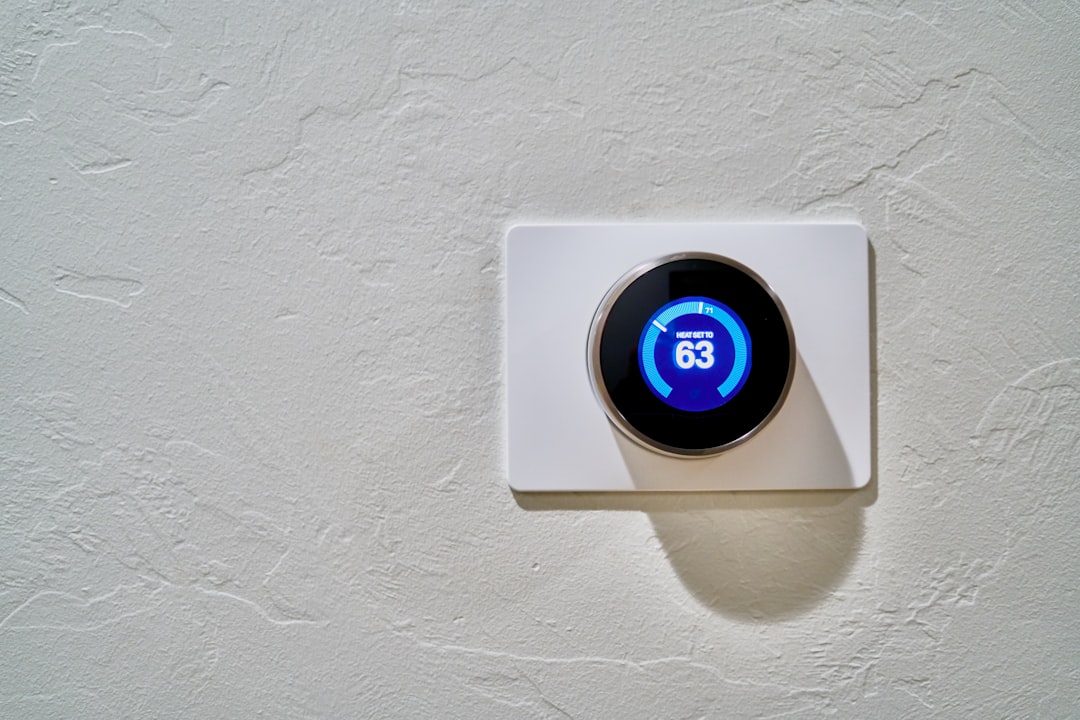
Managing household utility costs has changed dramatically over the last few years. Today, homeowners are no longer relying on simple draft stoppers and manual thermostats to keep bills in check. The clean energy transition has brought sophisticated smart home technology directly into our living spaces, turning passive consumers into active managers of their own microgrids. Conducting a smart home energy audit is the first step toward understanding how your home uses, loses, and stores power.
Instead of waiting for a professional to walk through your rooms with a thermal camera, you can now leverage real-time data to pinpoint inefficiencies. This modern approach combines physical inspections with digital performance tracking, giving you a continuous look at your consumption patterns. By analyzing this data, you can make informed decisions about upgrading to high-efficiency systems or tweaking your daily habits. For further reference, see Wired.
The Shift to Active Energy Management
Active energy management means using connected devices to monitor and adjust your energy use on the fly. With utility companies increasingly adopting dynamic pricing models, knowing when you use power is just as important as knowing how much you use. Smart home energy audits allow you to map out your daily load profile, identifying the exact moments your home demands the most from the grid.
Why Traditional Audits Fall Short
Traditional audits are static. They provide a snapshot of your home on a single afternoon, often focusing solely on insulation and air sealing. While these physical factors are incredibly important, they do not account for the behavioral patterns, appliance efficiencies, and timing issues that drive modern utility bills. A digital-first audit tracks your home over weeks and months, capturing how your heating, cooling, and entertainment systems interact under varying weather conditions.
Conducting Your Digital Energy Audit
To begin your smart home energy audit, you need the right tools to gather actionable data. You do not need to spend thousands of dollars on commercial equipment to get professional-grade insights. A few strategic hardware additions can turn your standard electrical panel into an intelligent data hub.
Start by looking at your main utility meter. Many modern meters support wireless protocols that allow you to read your real-time usage through a smartphone app. If your utility provider does not offer this, installing a whole-home energy monitor inside your breaker panel is the next best step. These devices use current clamps to measure the electricity flowing through your main lines and individual circuits, sending high-resolution data directly to your phone.
Mapping Your Baseline Consumption
Your baseline consumption, or phantom load, is the amount of electricity your home draws when everything is turned off or in standby mode. Think of idle televisions, microwave clocks, smart speakers, and Wi-Fi routers. In many homes, this baseline can account for up to twenty percent of the monthly electric bill. By monitoring your energy usage overnight when the household is asleep, you can establish your true baseline and identify which devices are constantly sipping power.
Identifying Phantom Loads
Once you have identified a high baseline, use smart plugs with built-in energy monitoring to test individual appliances. Plug your entertainment center, home office setup, or kitchen appliances into these smart plugs for a few days. You will quickly see which devices are the worst offenders. Just as developers analyze web performance to eliminate slow-loading scripts, you can analyze your home's energy data to eliminate power-hungry idle devices. Many smart home platforms allow you to write simple automation rules to cut power to these plugs entirely when you leave the house or go to bed, instantly lowering your baseline.
Heat Pump Optimization Strategies
Heat pumps have become the gold standard for modern climate control, offering unparalleled efficiency by moving heat rather than creating it. However, their performance depends heavily on how they are controlled. A poorly configured heat pump can rely too much on expensive auxiliary electric resistance heat, erasing much of your expected savings.
During your audit, pay close attention to how your heat pump behaves during extreme weather. Modern variable-speed compressors are designed to run continuously at low speeds to maintain a steady temperature. If your system is constantly cycling on and off, it is either oversized for your space or struggling with poor thermostat placement.
Thermostat Scheduling vs. Set-and-Forget
Unlike traditional gas furnaces, which can rapidly heat a home, heat pumps work best when they maintain a consistent temperature. The old advice of turning the thermostat down ten degrees at night and ramping it back up in the morning actually hurts heat pump efficiency. When you ask a heat pump to raise the temperature quickly, it often triggers the backup heating strips, which consume up to three times more electricity. For optimal efficiency, use a set-and-forget strategy, or limit temperature setbacks to no more than two or three degrees.
Zoning and Variable-Speed Compressors
If your home has multiple zones, ensure your smart thermostats are communicating effectively. Variable-speed systems can adjust their output to match the needs of a single room, but they require precise data to do so. Integrating your thermostats with local weather forecasts allows your system to pre-cool or pre-heat your home gradually before outdoor temperatures peak, maximizing your system's coefficient of performance.
Solar Storage and Battery Integration
Pairing a solar array with a home battery storage system is the ultimate way to achieve energy independence, but it requires careful coordination. Without smart management, your battery might sit fully charged during the day while you export cheap solar power to the grid, only to run dry early in the evening when electricity rates are at their highest.
Your smart energy audit should analyze your solar production curves alongside your household consumption patterns. The goal is to maximize self-consumption, ensuring that every kilowatt-hour generated by your panels is either used immediately or stored for later use.
Configuring Your Battery for Time-of-Use Rates
Many utility companies now charge variable rates based on the time of day. Under these time-of-use structures, electricity during summer afternoons can cost four to five times more than overnight power. Configure your solar storage system to operate in time-of-use mode. This tells the battery to charge from your solar panels during the morning, hold that charge during the early afternoon, and discharge to power your home during peak evening hours when grid prices skyrocket.
Smart Load Shedding
To extend your battery life tips and ensure you have power during grid outages, implement smart load shedding. Use your smart home hub to automatically turn off non-essential loads, such as pool pumps, electric vehicle chargers, and secondary air conditioners, the moment your home switches to battery power. This preserves your stored energy for critical appliances like refrigerators, medical equipment, and your primary heat pump.
Final Thoughts
A smart home energy audit is not a one-time weekend project; it is an ongoing practice of optimization. By combining digital performance tracking with modern hardware like heat pumps and solar storage, you can take complete control of your household utility costs. The clean energy transition has made these tools more accessible than ever, allowing everyday homeowners to participate actively in global energy markets by reducing their reliance on the grid during peak times.
As you plan your upgrades, keep an eye on regional investments and local incentives. Many state and utility programs offer substantial rebates for smart thermostats, home energy monitors, and battery storage installations. Start small by mapping your baseline consumption, eliminate your phantom loads, and then scale up to advanced heat pump and battery configurations. With a little patience and the right data, you can build a highly efficient, resilient home that is ready for the future.
Frequently Asked Questions
How much can I save by conducting a smart home energy audit?
Most homeowners see a reduction of fifteen to thirty percent on their monthly utility bills by identifying phantom loads and optimizing their heating schedules.
Is it better to leave a heat pump at a constant temperature?
Yes, heat pumps operate most efficiently when maintaining a steady temperature. Drastic setbacks can trigger expensive auxiliary heating elements.
How do time-of-use rates affect my solar battery settings?
Time-of-use rates make electricity expensive during peak hours. You should configure your battery to discharge during these peak times to avoid buying high-priced grid power.
Can I install a whole-home energy monitor myself?
While some monitors plug into standard outlets, whole-home monitors that clamp onto main service lines inside your breaker panel should be installed by a licensed electrician for safety.
How does smart load shedding protect my battery backup?
Smart load shedding automatically turns off non-essential appliances during an outage, preserving your battery capacity for critical systems like refrigeration and medical devices.